
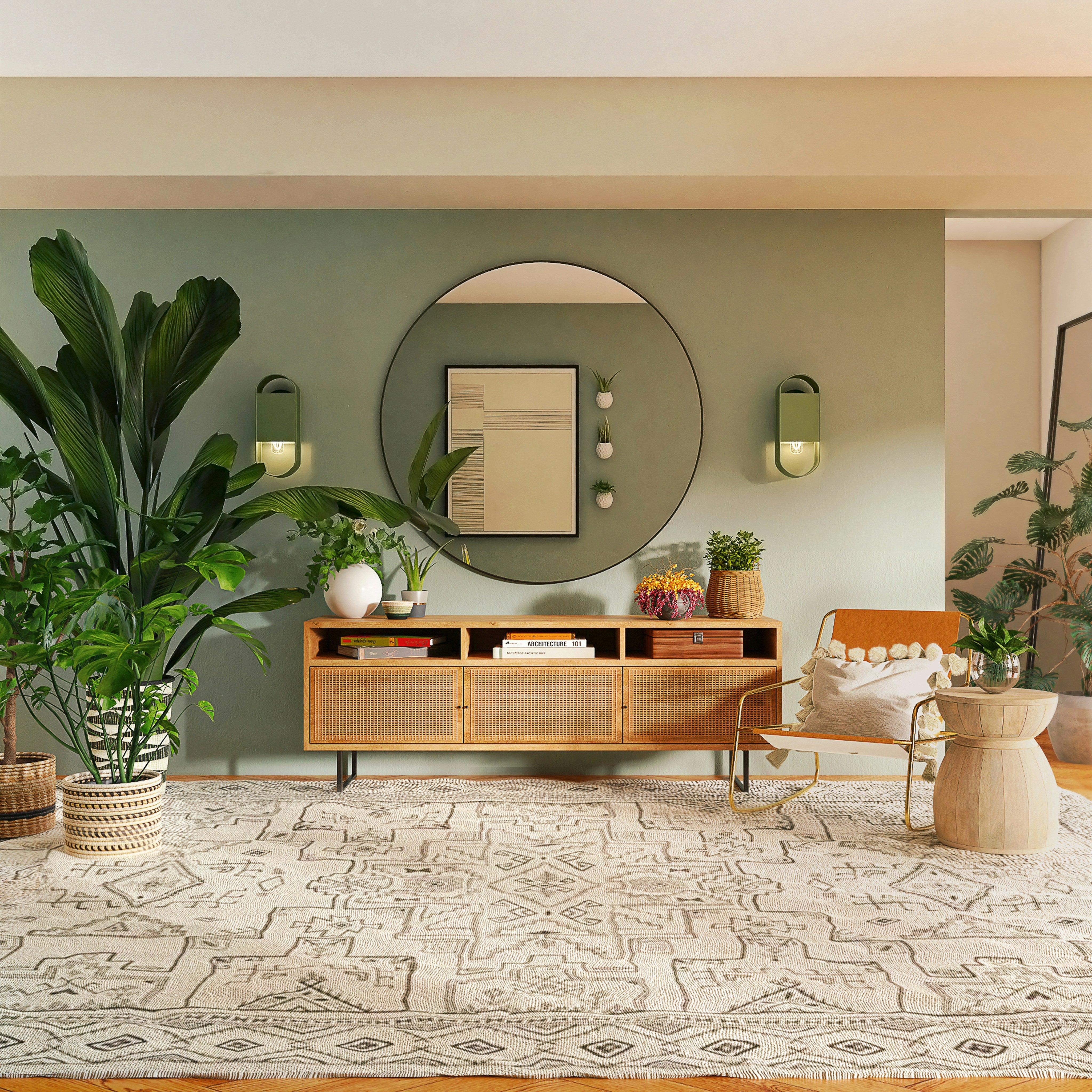
Indoor gardening in South Africa: light, pots and the plants that cope with our homes
The short answer
In South Africa the bright window is the north-facing one, not the south-facing one that overseas houseplant guides talk about. East windows give gentle morning light, west windows can scorch leaves through the glass in summer, and south-facing rooms suit low-light plants only. Water by feel, not by schedule, especially from May to August when Highveld air is dry, growth slows and soggy soil kills more plants than drought does. Use a proper indoor potting soil, never garden soil, and make sure every pot drains into a tray you empty after watering. Stand concrete pots on feet or a tray so moisture cannot mark floors. Upstairs and in flats, choose lightweight pots; downstairs, a hand-cast concrete pot gives tall plants stability. Indigenous plants like spider plant, sansevieria and clivia cope best with our dry indoor air.
Most of the indoor gardening advice floating around online was written for the northern hemisphere, and you can tell. It talks about south-facing windows being the bright ones, about humidifiers running all winter, about plants sulking through months of grey. Our homes are different. In Centurion the winter sky is a hard clear blue for weeks on end, the air indoors drops to desert dryness once the frost arrives, and the brightest window in the house faces north. If you have been following overseas advice and wondering why your fern keeps crisping, that is probably why.
We sell a lot of pots that end up indoors, so we hear about the failures as often as the successes. The good news is that most houseplant trouble in South Africa comes down to three things you can control: where the plant sits, how you water in winter, and what it is planted in. Get those right and the plants that suit our conditions will more or less look after themselves.
Start with the windows, not the plant
Walk through your home at ten in the morning and again at three in the afternoon and notice where the light actually falls. In South Africa a north-facing window is the sunny one. It gets light for most of the day in winter when the sun sits low, and softer, higher light in summer. East-facing windows give gentle morning sun that most houseplants love. West-facing windows are the tricky ones, because the afternoon sun through glass in January is fierce enough to scorch leaves that would be perfectly happy outside under a tree. South-facing rooms are the coolest and dimmest, which is not a problem, it just narrows your plant list.
The University of Maryland extension service has a useful plain explanation of how light drops off with distance from a window. The short version is that a plant two metres back from a bright window is getting a fraction of what a plant on the sill gets, even if the room feels bright to you. Our eyes adjust; leaves do not. So when a plant label says bright indirect light, think of a spot near a north or east window where the sun does not land directly on the leaves for hours at a time.
The plants that genuinely cope in our homes
It helps to know that a surprising number of the world's favourite houseplants are South African by birth. The spider plant, Chlorophytum comosum, grows wild in our forests and along the eastern escarpment, which is why it shrugs off neglect on a Highveld windowsill. The mother-in-law's tongue you see in every waiting room is a close relative of Sansevieria hyacinthoides, a plant that survives in bushveld shade with almost no water for months. Plectranthus, asparagus fern and clivia are all local too, and they are far more forgiving of our dry air than a calathea or a maidenhair fern will ever be.
That does not mean you cannot grow a monstera or a peace lily here. You can, and plenty of people do. It just means placing them a little further from the glass in summer and accepting that a few brown leaf tips in July are normal rather than a sign of failure. If you want a starting list, we have written up ten easy houseplants for a jungle-feeling home, and the Plant Library lets you filter by light level before you spend anything.
Watering, and the dry Highveld winter
Overwatering kills more houseplants than anything else, and winter is when it happens. Growth slows right down from May to August, the plant drinks less, and the same weekly watering that was fine in summer now leaves the soil sodden for days. Clemson University's home and garden information centre puts it simply in their guide to watering indoor plants: check the soil before you water, not the calendar. Push a finger in to the second knuckle. If it feels cool and damp, walk away.
The flip side is humidity. Inland winter air is bone dry, and a heater or a fireplace drops it further. This is why thin-leaved plants go crispy at the edges in June even though the soil is fine. Grouping plants together helps a little, because they create a slightly damper pocket of air between them. Standing pots on a tray of pebbles with water below the pebbles helps more, and keeps the roots out of the wet. Misting, honestly, does very little beyond making you feel useful for thirty seconds. In coastal Durban or Cape Town homes this is far less of an issue and you can mostly ignore it.
Why the pot matters more indoors than outside
Outdoors a pot that holds a bit too much water gets bailed out by sun and wind. Indoors there is no such rescue, so drainage is everything. Every pot that holds soil needs a hole, and a layer of gravel at the bottom does not replace one, it just moves the waterlogged zone higher up. If you have fallen for a beautiful pot with no hole, use it as a cachepot with a plastic nursery pot inside and lift the inner pot out to water it in the sink.
Weight is the other thing people forget until they are halfway up the stairs. A concrete pot large enough for a two metre fiddle leaf fig is heavy on its own, before you add wet soil. For upstairs rooms, flats and anywhere you might want to move things around, our Lightweight Décor range gives you the same look at a fraction of the weight. Downstairs, on a tiled floor, a proper hand-cast concrete pot in our Fibre Concrete Mix is hard to beat for stability, which matters when a tall plant gets top heavy or a child or a dog barrels past it.
Trays, feet and the floor underneath
Water marks on wooden floors and rust rings on tiles are the hidden cost of indoor plants, and both are avoidable. A drip tray under every pot catches the run-through when you water properly, which you should be doing, because a light sprinkle on the surface never reaches the roots. Empty the tray after twenty minutes. A pot left standing in its own drainage water is the same as a pot with no hole.
Concrete pots also need a little air underneath them indoors. Set directly on a floor, moisture wicks through the base and sits there, which is what leaves the pale ring you cannot scrub off. Small concrete pot feet or a tray with a raised profile lift the pot enough for the base to dry between waterings. It also makes the pot look intentional rather than parked.
Soil, feeding and the repotting question
Garden soil does not belong in an indoor pot. It compacts, drains badly and brings in whatever was living in it. A proper indoor potting soil is lighter, holds moisture without going soggy and gives the roots the air they need. Succulents and sansevierias want something grittier still, which is what our succulent mix is for.
Feed lightly and only when the plant is growing, so roughly October to March inland. A half-strength liquid feed once a month is plenty. In winter, stop. Repot when roots are circling the bottom or pushing out of the drainage hole, and go up only one pot size at a time. A small plant in a huge pot sits in cold wet soil it cannot use, and that is a slow way to lose it. Spring is the best time to repot, when the plant has the energy to fill its new home.
Reading the leaves when something goes wrong
Yellow lower leaves that drop easily usually mean too much water. Brown crispy edges mean dry air or a pot that dried out completely between waterings. Pale, stretched growth leaning hard towards the window is a plant asking for more light. Sticky leaves or tiny webs mean pests, usually mealybug or red spider mite, both of which thrive in the same dry winter air that troubles the plants. Wipe leaves down with a damp cloth every few weeks, which keeps dust off and lets you spot trouble early. The Royal Horticultural Society's houseplant pages are a good place to look up a specific plant once you know its name, and our own houseplant care guide covers the everyday routine in more detail.
Indoor gardening in South Africa is easier than the imported advice makes it sound. Put the plant where the light really is, water by feel rather than habit, protect the floor and give the roots a pot that drains. The pots people most often choose for indoors, from small windowsill sizes to the tall statement pieces that anchor a room, are gathered in our patio and small garden favourites, and every one of them works just as well beside a window as it does on a stoep.
Pots that work indoors too
Browse the sizes and shapes people most often bring inside, from windowsill pots to floor-standing statement pieces, in our patio and small garden favourites.
Shop indoor pots →Frequently asked questions
Which window is best for houseplants in South Africa?
North-facing windows get the most light in the southern hemisphere, followed by east-facing windows with gentle morning sun. West windows can be too hot in summer and south-facing rooms suit shade-tolerant plants.
How often should I water indoor plants in winter?
Far less often than in summer. Check the soil with a finger and only water when the top few centimetres are dry; on the Highveld many plants need water only every two to three weeks between May and August.
Can I use a concrete pot indoors?
Yes. Make sure it has a drainage hole, stand it in a drip tray or on pot feet so moisture does not mark the floor, and choose a lightweight pot for upstairs rooms or if you plan to move it often.
Why do my houseplant leaves go brown at the edges in winter?
Dry indoor air is the usual cause, made worse by heaters. Group plants together, stand pots on a tray of wet pebbles and keep thin-leaved plants away from heaters and fireplaces.
Which houseplants are indigenous to South Africa?
Spider plant, Sansevieria hyacinthoides, clivia, Plectranthus and asparagus fern all originate here, which is why they cope so well with local indoor conditions.


Leave a comment
This site is protected by hCaptcha and the hCaptcha Privacy Policy and Terms of Service apply.