
How to care for houseplants: a friendly guide to thriving indoor greenery
There is a particular kind of joy in a home full of plants, and if you are reading this you already know the feeling. That little lift when a new leaf unfurls, the way a corner softens once something green lands in it, the quiet habit of checking on your pots with your morning coffee. Houseplants ask for very little and give back a lot, which is exactly why so many of us end up with far more of them than we ever planned.
The good news is that most popular indoor plants want the same handful of things. Bright light that is not harsh midday sun, a pot that drains properly so their roots never sit in water, and a person who waters when the soil has actually dried out rather than on a fixed schedule. Here on the Highveld our light is generous and our air runs dry, so the honest truth is that far more houseplants die from kindness and overwatering than from neglect. When in doubt, wait a day.
Below is a friendly run through nine of the plants we get asked about most, with the real care each one wants and the one thing people tend to get wrong. Read the ones you own, bookmark the ones you covet, and remember that every plant here is happiest in a pot that breathes and drains well.
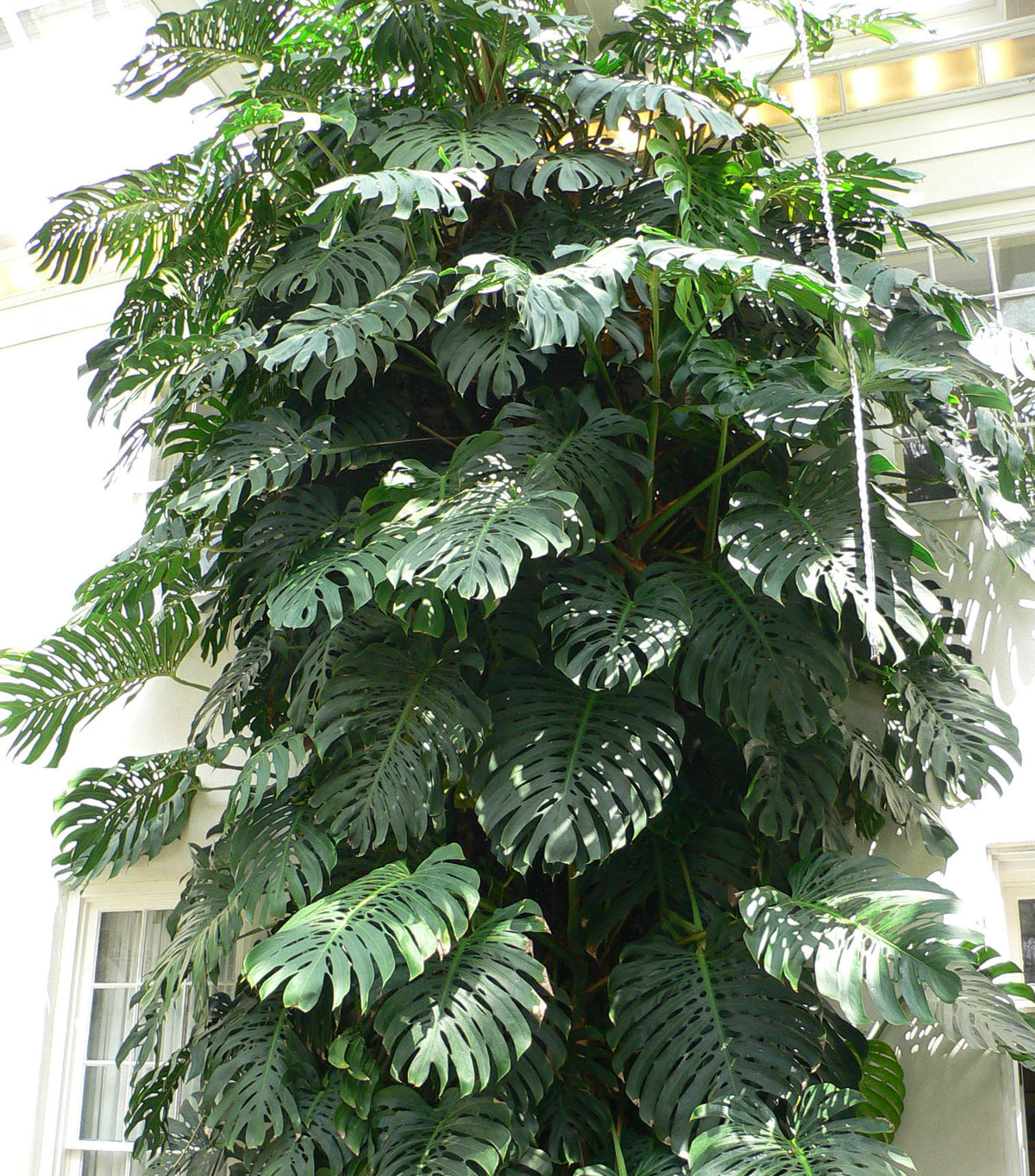
Monstera (delicious monster)
The monstera is the plant everyone falls for, and those famous split leaves are its way of telling you it is happy. Give it bright, indirect light near a window and it will reward you with big holey foliage. Push it into a dark corner and the new leaves come out small and solid, with none of that drama. Water it when the top few centimetres of soil have dried, roughly once a week in summer and less in winter, and let it drain right through.
The thing most people get wrong is support. A monstera is a climber by nature, so in the wild it hauls itself up trees. Give it a moss pole or a stake to grip and the leaves grow bigger and the plant stands prouder. A wide, sturdy pot keeps it from toppling as it gets top heavy, and one of our heavier concrete pots does that job beautifully.
Snake plant (sansevieria)
If you have ever said you cannot keep anything alive, the snake plant is your redemption arc. Those stiff upright leaves store water, so it genuinely thrives on being left alone. It copes with low light and bright light alike, though it grows fastest in a bright spot, and it will happily sit in a hallway that barely sees the sun.
The one way to hurt it is to water too often. Let the soil dry out completely between drinks, and in winter you can go weeks without a drop. Because it holds so much water in its leaves, a snake plant in a heavy pot with excellent drainage is the safest home you can give it. Soggy roots are the only thing it truly cannot forgive.
Pothos (devil's ivy)
Pothos earned the name devil's ivy because it is almost impossible to kill, and that makes it a wonderful first plant. Those trailing heart shaped leaves look lovely spilling off a shelf or climbing a pole, and it grows quickly enough to feel rewarding. It takes low light without complaint, though brighter indirect light keeps the variegated types nicely marked.
Water it when the top of the soil feels dry and it will bounce back even if you forget, drooping dramatically then perking up within hours of a drink. The mistake people make is leaving it to trail forever without a trim. A quick pinch back keeps it full rather than straggly, and those cuttings root in a glass of water, so one pot soon becomes several.
ZZ plant
The ZZ plant is the quiet achiever of any room, with glossy leaves so waxy they look almost artificial. It grows from thick underground rhizomes that bank water, which is why it shrugs off dry air, low light and a forgetful owner. It is a superb choice for an office or a dim corner where little else will grow.
Slow and steady is the whole personality here, so do not panic if it takes its time. Water only when the soil is properly dry, roughly every two to three weeks, and ease off in winter. Overwatering is the single real danger, since those rhizomes rot if they sit wet. A well draining pot and a light hand with the watering can are all it asks.
Peace lily
The peace lily is the drama queen that works in your favour, because it tells you exactly when it is thirsty. The leaves droop into a full sulk, you water, and within an hour it stands back up as if nothing happened. Those elegant white blooms appear in medium to bright indirect light, though it will keep its handsome leaves even in a shadier spot.
It likes its soil kept lightly moist rather than bone dry, so it is thirstier than most plants on this list, but it still hates sitting in water. In our dry Highveld air the leaf tips can go brown, and that is usually a sign of underwatering or very hard tap water, so a good soak and the occasional filtered drink sorts it out. Keep it out of cold draughts and away from frost.
Fiddle leaf fig
The fiddle leaf fig is the supermodel of houseplants, all sculptural leaves and good posture, and yes it has a bit of a reputation for being fussy. The secret is really just consistency. Give it plenty of bright, indirect light, ideally the same bright spot every day, because it hates being moved and will drop leaves to let you know it is unhappy about change.
Water when the top few centimetres of soil dry out, and be careful not to overdo it, as brown spots on the leaves usually mean soggy roots. Wipe the big leaves now and then so they can breathe and catch the light. Because it grows tall and a little top heavy, plant it in a substantial, stable pot that anchors it well and lets excess water escape.
Rubber plant
The rubber plant gives you the bold, glossy look of a fiddle leaf fig with a far more forgiving temperament, which is why we often steer nervous plant parents towards it. Its thick burgundy tinged leaves love bright, indirect light, and the darker leaved varieties will tolerate a little less. It can grow into a proper indoor tree over time, so give it room to reach up.
Let the top of the soil dry before watering, roughly weekly in summer and less in the cooler months, and wipe the leaves to keep that showroom shine. The usual slip up is overwatering, which shows as yellowing lower leaves. Keep it warm and away from cold draughts, and settle it into a well draining pot with a bit of weight to balance its height.
Spider plant
The spider plant is pure generosity, throwing out arching leaves and then dangling little baby plantlets on long stems like a proud parent. It is wonderfully easy going, happy in bright to moderate indirect light, and it is one of the few here that genuinely enjoys a spot in a hanging pot where those babies can cascade.
Keep the soil lightly moist in the growing season and let it dry a touch more in winter. If the leaf tips brown, it is usually the fluoride and salts in tap water building up, so an occasional flush with filtered or rainwater helps. The plantlets root in no time, so a single spider plant is really a starter kit for a whole windowsill of them.
Philodendron
Philodendrons are the easy going cousins of the monstera, and the trailing heart leaf types in particular are about as low fuss as houseplants come. They are happy in medium to bright indirect light, and while they tolerate lower light, the growth stays lush and full when they get a good bright spot. Let them climb a pole or trail from a shelf, whichever suits your room.
Water when the top few centimetres of soil dry out and they will forgive the odd missed watering. The common mistake is drowning them, so err on the drier side and make sure the pot drains freely. A regular pinch back keeps a trailing philodendron bushy rather than leggy, and the cuttings root as readily as pothos do.
Whichever of these you bring home, you will notice the same quiet theme running through all of it. Light they can actually use, water only when they need it, and above all a pot that drains so their roots never drown. Get those three right and the rest is mostly just enjoying the view. When you are ready to pot up or repot, choose a pot that suits both the plant and your space, whether that is one of our lightweight pots for an easy to move indoor display or a heavier concrete one to steady a tall grower, and let it drain freely so your greenery can settle in and thrive.
The right pot makes all the difference
Whatever you are growing, give it a handmade pot with the drainage and room it needs, cast to last through South African sun, rain and frost.
Shop lightweight pots →Frequently asked questions
What are the easiest houseplants to keep alive?
Snake plants, ZZ plants, pothos and philodendrons are the toughest, forgiving low light and irregular watering.
Why are my houseplant's leaves turning yellow?
Most often overwatering. Let the soil dry out more between waterings and make sure the pot drains.
How often should I water houseplants?
Most prefer to dry out between waterings. Water when the top few centimetres of soil are dry, rather than on a fixed schedule.
Do houseplants need special pots?
They need a pot that drains. A lightweight pot is easy to move around indoors, and a saucer or tray protects your floors.

Leave a comment
This site is protected by hCaptcha and the hCaptcha Privacy Policy and Terms of Service apply.