
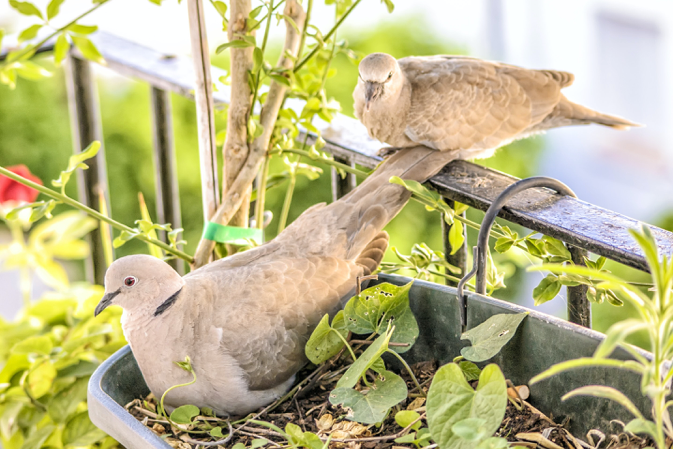
How to bring more birds into a South African garden
The short answer
Water brings birds in faster than food. A bird bath only two to four centimetres deep, with a sloping side or a few flat stones and pebbles to perch on, sited in half shade and about two to three metres from cover, will be found within a fortnight in most South African gardens. Refresh it every day or two in summer and scrub it weekly. Moving water works better still, because birds hear a trickle from across the garden. Then plant for them rather than relying on seed: Cape honeysuckle and wild dagga for sunbirds, an aloe for the winter nectar gap, and tree fuchsia or karee for berries. Give them shelter at different heights, leave one corner untidy for insects, keep cats in at dawn and dusk, and stop using insecticide and snail pellets.
If you want more birds, start with water. Not a feeder, not a nesting box, water. Food is seasonal and birds will find it elsewhere, but a reliable, clean, safely placed drink in a dry Highveld August is scarce enough that word gets around fast. We have watched customers put a single bird bath on a bare townhouse patio and have doves, white eyes, bulbuls and a pair of thrushes on it inside a fortnight.
After that it is a question of layers. Something to drink, something to eat that grows rather than comes out of a packet, somewhere to hide from the neighbourhood cat, and nothing in the garden that poisons the insects birds feed their chicks on. Get those four right and the list of species you see from the kitchen window grows every season without you doing much else.
Get the water right, because most bird baths are wrong
The commonest mistake is depth. A bird bath that holds fifteen centimetres of water is a swimming pool to a white eye, and only the doves will use it. Small birds want two to four centimetres, with a gently sloping side they can walk in on rather than a sheer drop. If your bath is deep, drop a few flat stones in to build a shallow shelf at one end.
Add a handful of white pebbles to the shallow end so there is texture underfoot and something to perch on, which also lets bees and butterflies drink from the same dish. Refresh the water every day or two in summer, because standing water in thirty degree heat goes green and can spread disease between birds. A quick scrub with a brush once a week is enough.
Where to put the bath matters as much as the bath
Half shade, so the water stays cool and the birds are not exposed while they bathe. Roughly two to three metres from a shrub or a small tree is the sweet spot, close enough that a bird can dive for cover in a second, far enough that a cat cannot ambush from the branches. Out in the open lawn with no cover for ten metres and it goes largely unused.
Height helps. A bath on a pedestal or on a solid concrete base is safer than one on the ground, and it also keeps the water cleaner. Our concrete bird bath is heavy enough that it does not shift when a big dove lands on the rim, which sounds trivial until you have watched a light plastic one tip over.
Choosing a bird bath
If you are buying a bird bath rather than improvising one, look at three things: width, depth and weight. The RSPB, Britain's bird conservation charity, suggests in its guide to making the perfect bird bath that you go as wide as you can, ideally more than 30 cm across, with very shallow sloping sides and a maximum depth of only about 10 cm. Its bird bath buying guide suggests water ranging from 2.5 cm to 10 cm deep, so each species can bathe at the depth it prefers. A bowl that shelves gently from a shallow rim to a slightly deeper middle does that on its own.
Our Bird Bath is a rounded bowl on a pedestal, cast from our Fibre Concrete Mix, and it comes in three sizes: a small at 315 mm by 310 mm, a medium at 530 mm by 455 mm and a large at 590 mm by 510 mm. The small has a simpler, more basic style, while the medium and large carry more detail. All three come in seven finishes, from Flinted White and Granite to Rock and Chryso Black, so it can match the pots and paving around it. If you have the room, the medium or large gives more birds space at once, and the extra weight keeps it steady when a big dove lands on the rim.
Then keep it clean. The RSPB suggests rinsing a bird bath out daily and giving it a thorough scrub at least once a week, because a dirty bird bath can spread disease, and the CDC's advice on mosquito control at home lists bird baths among the things to empty and scrub weekly. A stiff brush and clean water do most of the work. If you live on the coast, where humid summers and standing water are a mosquito's dream, our Durban and North Coast guide has more on keeping water clean in the heat.
Moving water doubles the effect
Birds hear water before they see it. The sound of a trickle carries across a garden and pulls in species that would fly straight past a still dish, and it also keeps the water oxygenated and slows the algae. A small recirculating water feature does this on a patio without any plumbing, and our guide to setting up a water feature covers the pump, the power point and the upkeep. If you want the water to be the whole show, our pond buying guide explains why a shallow pond with a flat stone at the edge suits birds so well.
If you are on a borehole or watching the municipal bill, the water use is smaller than people assume, since a closed system only loses what evaporates. Load shedding is the real nuisance, so pick something that looks good when it is switched off too, and top it up by hand on the days the power is out.
Feed them with plants, not just seed
Seed feeders attract doves, sparrows and weavers and not much else. The interesting birds are after nectar, fruit and insects, and all three come from planting rather than buying. Nectar first, because sunbirds are the easiest win in a South African garden and they show up within weeks of the right plant flowering.
Cape honeysuckle is the classic. Tecomaria capensis flowers on and off for most of the year, tolerates being clipped, and sunbirds work it relentlessly. Add Leonotis leonurus, wild dagga, for its orange whorls in late summer and autumn, and an aloe for the winter gap. Aloe arborescens flowers in the coldest weeks and is the single best winter nectar plant we know for an inland garden.
Berries carry them through the rest of the year
Fruit eating birds want small, soft, seasonal berries rather than anything ornamental and shiny. Halleria lucida, the tree fuchsia, does the rare double job of feeding sunbirds with its tubular flowers and then feeding barbets, bulbuls and mousebirds with the berries that follow. If you plant one thing for birds, plant this.
Karee is the other one worth room. Searsia lancea is tough, evergreen, drought hardy once established and carries small fruits that a long list of birds take. Both will grow in a very large container for years before they need the ground, which makes them realistic for a townhouse or a paved courtyard. Our bigger plant pots are the size range to look at for that.
Shelter, and the layers birds actually need
A garden of lawn and a few clipped balls has nowhere for a bird to be. What they want is structure at different heights, so a small tree, some medium shrubs, and something dense and slightly untidy at ground level. Thorny or twiggy shrubs are the ones nesting birds choose, precisely because they are awkward to get into.
Leave a corner messy. A pile of prunings, some leaf litter under a shrub, an area you do not rake, and you have created the invertebrate layer that thrushes and robins feed in. It is the least work of anything in this article and it makes a visible difference. Grouping large pots to make a dense screen achieves something similar on a patio, and our indigenous plants care guide covers what to fill them with.
Cats, windows and the things that undo the work
There is no gentle way to say this. A garden that draws birds in and then hands them to a cat is worse than no garden at all. A collar with a bell helps a little, a bright collar cover helps more, and keeping cats in at dawn and dusk helps most, since that is when birds feed and when most kills happen. Site feeders and baths away from anything a cat can hide behind or spring from.
Windows are the other quiet killer. A large pane reflecting sky and shrubs reads as open flight path, and the fix is simply to break the reflection with decals, a hanging plant, or a screen of pots on the patio in front of it. BirdLife South Africa is the organisation to follow if you want to go further on urban bird conservation here.
Put the poisons down
Insecticide sprayed on aphids removes the food that adult birds stuff into nestlings, and almost all garden birds, including seed eaters, feed their chicks on insects. Snail pellets are worse, because a thrush that eats poisoned snails takes the dose itself and rat poison moves up the chain to owls in exactly the same way.
The garden sorts itself out if you let it. Give it a season of no spraying and you get ladybirds, hoverflies, lacewings and then the birds that eat them, and the pest problems drop rather than rise. Our article on plants for pest control covers how to steer that along, and planting for bees overlaps with almost everything here.
Start with one good bath at the right depth, in half shade, near cover, cleaned weekly. Add a Cape honeysuckle and an aloe so there is nectar in summer and in winter, stop spraying, and let one corner go untidy. The birds arrive on their own after that, and they keep arriving. If you want the sound of moving water doing the heavy lifting for you, have a look through our handmade concrete bird baths and water features.
Water is the first step
A steady drink in half shade brings birds in faster than anything else, which is what our handmade concrete bird bath is built for.
Shop bird baths & water features →Frequently asked questions
How deep should a bird bath be?
Two to four centimetres for small birds, with a gently sloping side they can walk in on. If your bath is deeper, drop in a few flat stones to make a shallow shelf at one end.
Where should I put a bird bath?
In half shade, roughly two to three metres from a shrub or small tree. Close enough that a bird can reach cover instantly, far enough that a cat cannot spring from the branches.
Which plants attract sunbirds in South Africa?
Cape honeysuckle flowers for most of the year and is the reliable one. Add wild dagga for late summer and autumn, and an aloe such as Aloe arborescens for winter nectar.
How often should I clean a bird bath?
Refresh the water every day or two in summer and scrub it with a brush weekly. Standing water in the heat goes green and can spread disease between birds.
What size bird bath should I buy?
As wide as your space allows, ideally more than 30 cm across, with shallow sloping sides. Our concrete Bird Bath comes in small, medium and large, and the medium and large give more birds room and stay steadier on the rim.
Do snail pellets harm birds?
Yes. A thrush that eats poisoned snails takes the dose itself, and the same secondary poisoning affects owls that catch rats killed by rat bait. Hand collect snails at night instead.

2 comments
Hey Naomi, the best time to remove the bird nests is when they are being built. This will give the birds time to rebuild a nest in a different location before they lay their eggs. If they already have laid eggs or have chicks, then try to wait until the chicks have left the nest before destroying them. Hope this helps!
The Pot Shack team
Am I wrong to destroy the nest that the bird has built on my kitchen light. It’s untidy for me but I love birds
Naomi Mokgobinyane
Leave a comment
This site is protected by hCaptcha and the hCaptcha Privacy Policy and Terms of Service apply.