
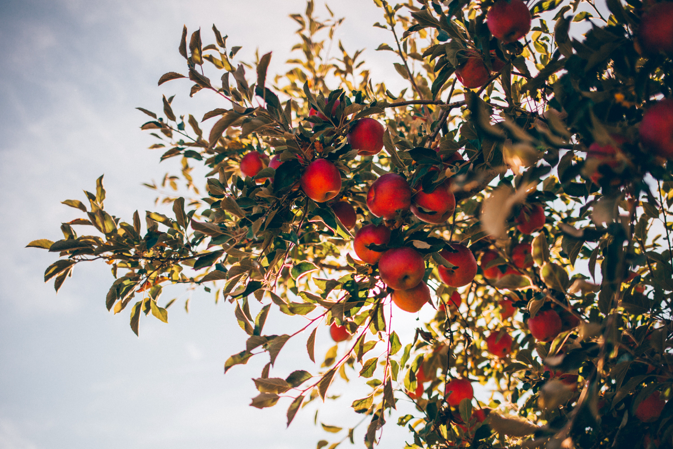
The easiest fruit trees to grow in pots in South Africa
The short answer
Lemons, figs, olives, dwarf peaches and pomegranates are the fruit trees that genuinely crop in containers in South Africa. The single biggest factor is pot size. Most fruit trees want at least 45 to 50 cm across and the same in depth, which is far larger than the nursery bag they arrive in. Use a bark based potting mix over a layer of pot filler, feed through spring and summer because container trees run out of nutrients fast, and water deeply rather than daily. Citrus and granadilla are the frost tender ones on the Highveld and need a wall, a cover or a move to shelter in June and July. Figs and olives are the most forgiving. Place heavy pots before you fill them, and stand them on pot feet so drainage keeps moving.
A fruit tree in a pot is a slightly different proposition to a fruit tree in the ground. The tree stays smaller, which is the point, and it gives you fruit somewhere you could never plant a tree, which is usually a patio, a balcony or a paved courtyard where the only soil is whatever you bring in. It also means the tree is entirely dependent on you for water and food, because there is nowhere else for the roots to go looking.
The good news is that a handful of fruit trees are genuinely easy in containers, and most of them happen to suit South African conditions. The bad news is that people almost always plant them in a pot two sizes too small, then wonder why the tree stalls at knee height and drops its fruit in January. Get the pot right and the rest is mostly patience.
Lemons and the rest of the citrus family
A lemon is the tree we recommend most often, because it flowers and fruits at different stages simultaneously, it looks handsome all year, and the smell of the blossom in spring is worth the pot on its own. Eureka and Meyer are the two you will find most easily, and Meyer stays smaller, which makes it the better container choice. Give it the sunniest spot you have, at least six hours, and a mix that drains freely, because citrus roots rot quickly in a pot that stays wet.
Citrus are hungry. The RHS guide to growing citrus sets out the summer and winter feeding difference, which is worth following, and container trees in particular need feeding right through the growing season rather than once in September. Frost is the other watch point on the Highveld. A young lemon against a north facing wall usually comes through fine, but an exposed one in an open garden will want frost cloth over it on the worst nights in June and July.
Figs are happier when their roots are restricted
Figs are the one fruit tree that actually prefers a pot. Give a fig unlimited root run and it puts everything into leaf and wood, while a restricted root system pushes it toward fruiting. The RHS notes on growing figs make exactly this point about restricting the roots, and it lines up with what we see in gardens here.
They are also tough. Figs handle heat, they handle a dry week, and they cope with Highveld frost by dropping their leaves and going dormant, which is normal rather than alarming. Water them consistently while the fruit is swelling, because irregular watering splits figs, and give them full sun. A 50 cm pot will carry a fig for many years with an occasional root prune and a fresh top layer of mix.
Olives, the least demanding tree on this list
If you want a tree that looks good, survives neglect and asks for very little, plant an olive. The grey green foliage suits a modern concrete pot particularly well, and olives are properly drought hardy once established, which matters when restrictions come round. The RHS olive growing guide covers the container culture and the winter chill they need to set fruit properly.
Be realistic about the fruit. Olives in pots often behave as beautiful foliage plants that fruit lightly rather than as a harvest, and processing your own olives is a project in itself. Plenty of people grow them purely for the shape and the silver leaf, and there is nothing wrong with that.
Dwarf peaches and nectarines for a real winter
Dwarf and patio bred peaches and nectarines are made for containers, and their spring blossom alone justifies the space. The thing to check before buying is chill requirement, because stone fruit needs a set number of cold hours in winter to break dormancy and flower evenly. Highveld and Free State winters supply that comfortably. Warm coastal gardens need a variety specifically bred for low chill, otherwise you get scattered, half hearted blossom. The RHS guide to growing peaches explains the pruning and thinning that keeps fruit size up.
Pomegranate, granadilla and the ones that use a wall
Pomegranate is underrated here. It is deciduous, tolerant of heat and poor soil, happy in full sun, and the orange flowers in spring are worth having even in years when the fruit is modest. A 45 cm pot suits it well and the shrubby habit means no staking.
Granadilla is not a tree, but it belongs in this conversation because it is the fastest route to fruit in a pot. Give it a big container, a trellis or a section of fence to climb, plenty of water and plenty of feeding, and you will get fruit within a year or two. It is frost tender, so on the Highveld it either goes against a warm wall or it gets covered. Both plants are hungry, so plan on feeding through spring and summer rather than hoping the original mix carries them.
How big a pot, honestly
The most common mistake is potting a tree straight from its nursery bag into something only a little larger, and the second most common is the opposite, jumping a young tree straight into a pot far too big for its roots. For most fruit trees, the RHS guide to fruit in containers suggests pots 45 to 50 cm across, and once a tree is big enough to use it, a larger volume of soil does buffer both temperature and moisture.
The trees on this list do not all want the same thing, though. Figs are the exception to the bigger is better rule. The RHS guide to growing figs says they fruit better when their roots are restricted, and suggests starting a young fig in a pot around 30 cm wide and deep before moving it up gradually. Citrus should only ever go into a pot slightly larger than the root ball, because overpotting a lemon leaves its roots sitting in wet compost. Olives are the most relaxed, starting at around 45 cm and moving up to 60 to 80 cm across as they grow. We go through each tree, with the pot sizes and the reasons, in what size pot does a tree need.
Our Nevada pot and the deeper shapes in the range handle a lemon or an olive comfortably. Keep troughs for herbs, strawberries and salad rather than fruit trees, because even a deep trough is narrower than the 45 cm or so a tree wants.
If you are unsure, the size chart gives the actual dimensions and volumes rather than a vague description, and our guide to large garden pots walks through how tree size and pot size relate. Concrete has a real advantage with trees beyond looks, because the weight keeps a top heavy tree upright through a summer thunderstorm that would tip a lightweight planter across the paving.
Filling, feeding and repotting
Start with a layer of Pot Filler in the base to keep drainage moving and reduce the volume of soil a very large pot needs, then fill with Bark Outdoor Potting Soil. Leave a couple of centimetres below the rim so water has somewhere to sit while it soaks in rather than running straight over the edge.
Container trees exhaust their mix. Feed from early spring through to late summer, ease off in autumn, and stop over winter for the deciduous ones. Every second or third year, either lift the tree, trim the outer roots and repot into fresh mix, or scrape off the top five centimetres and replace it. Skipping this is why a tree that fruited beautifully for three years suddenly does nothing in year four.
Frost, wind and the problem of weight
Decide where a big pot lives before you fill it, because a planted 50 cm concrete pot with wet soil in it is not something you move on a whim. Stand it on pot feet so water drains away underneath and air can move, which also stops a ring of dead grass or a stained patch on the paving. For frost tender trees, the practical options are a north facing wall that radiates warmth at night, frost cloth on the coldest nights, or a trolley so the pot can be wheeled somewhere sheltered for the worst six weeks.
Wind does quiet damage that people blame on other things. A tree that rocks in its pot tears its own fine roots and never settles, so stake a young tree for its first season and site it out of the worst of the funnel between two walls. If you also want fruit while the tree is finding its feet, a couple of pots of berries in containers alongside will crop long before the tree does.
A fruit tree is a fifteen year decision, so the pot is worth getting right the first time. Our larger concrete pots are hand cast from our Fibre Concrete Mix with the depth, weight and drainage a tree needs to actually crop, rather than just survive.
A pot big enough to grow a tree in
Give your lemon, fig or olive the root volume and the weight it needs with a hand cast pot from our larger sizes.
Shop large pots →Frequently asked questions
What size pot does a fruit tree need?
Most fruit trees want a pot at least 45 to 50 cm across with similar depth. A larger volume of soil holds moisture and temperature more steadily, which matters far more in a container than it does in open ground.
Which fruit tree is easiest to grow in a pot in South Africa?
Lemons, figs and olives are the easiest. Figs actually fruit better with restricted roots, olives tolerate drought and neglect once established, and a Meyer lemon stays small enough for a patio pot.
Can I grow citrus in a pot on the Highveld?
Yes, but young citrus need frost protection. A north facing wall that holds warmth overnight usually gets a lemon through winter, and frost cloth over the tree on the coldest June and July nights covers the rest.
How often should I feed a fruit tree in a container?
Feed regularly from early spring through late summer, because a container tree exhausts its mix and cannot send roots elsewhere. Ease off in autumn and stop over winter for deciduous trees.
Do potted fruit trees need repotting?
Yes. The RHS suggests repotting every year or two until the tree reaches its final pot, then root pruning every other year and refreshing about 30 per cent of the mix. In between, scrape off the top five centimetres of soil each spring and replace it with fresh.

9 comments
Hi,
I am in Cape town. would like to know more about potted fruit trees and how we can purchase some.
Thanks
Kareemah Goodman
Do you sell the trees 🌳and how do we buy from you 🤔
Tamara Kola
Thank you so much for your article and perhaps you can cover some more trees like banana, pomegranate, pineapple, morula, avocado, etc.
Samuel RM Moswatlhe
Thank you for sharing your knowledge with us.
Mpho
What about Apricots and grape vines?
EJS Dallmann
I had 2 pear trees which had very big, deep roots. I struggled to uproot them when I wanted to use the land to build. Or is it a particular variety that you plant in a pot? I’m interested in this fruit tree pot planting because I have a small yard and I don’t one roots cracking my house.
Noloyiso Mankomo
Thanks for an informative blog. Would like some potted fruit trees 🌳
Tamara Kola
Fruit trees tres in potsand palms in pots.
Fanie
Just what I need!!
Helena Welthagen
Leave a comment
This site is protected by hCaptcha and the hCaptcha Privacy Policy and Terms of Service apply.