
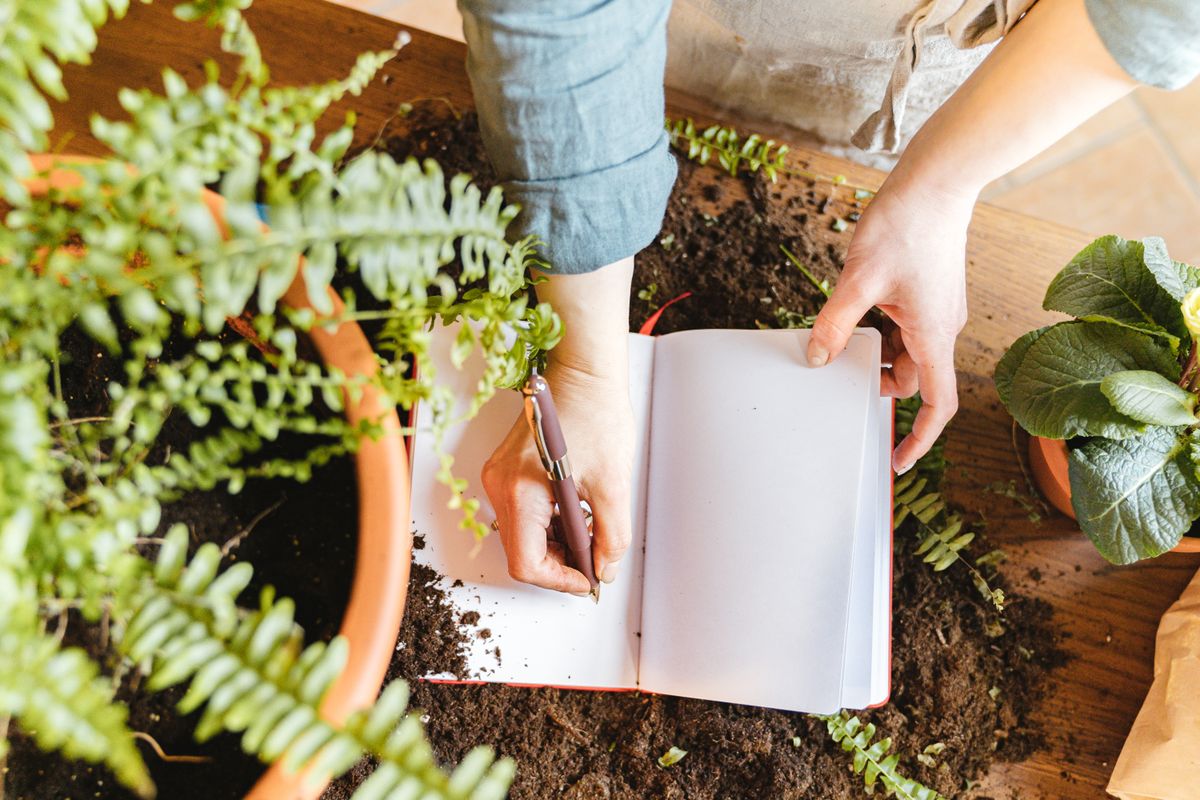
How to plan a garden that will actually thrive
Most struggling gardens are not the victim of bad luck or a black thumb. They are just unplanned. Someone fell for a plant at the nursery, brought it home, popped it in a likely looking spot, and hoped. Sometimes it works. Often the plant wants more sun than the spot gives, or more water than the gardener wants to give, and it slowly gives up. A little planning up front saves all of that, and it is far simpler than it sounds.
You do not need graph paper and a landscape architect. You just need to work through your garden in the right order, matching plants to the place rather than forcing the place to suit the plants.
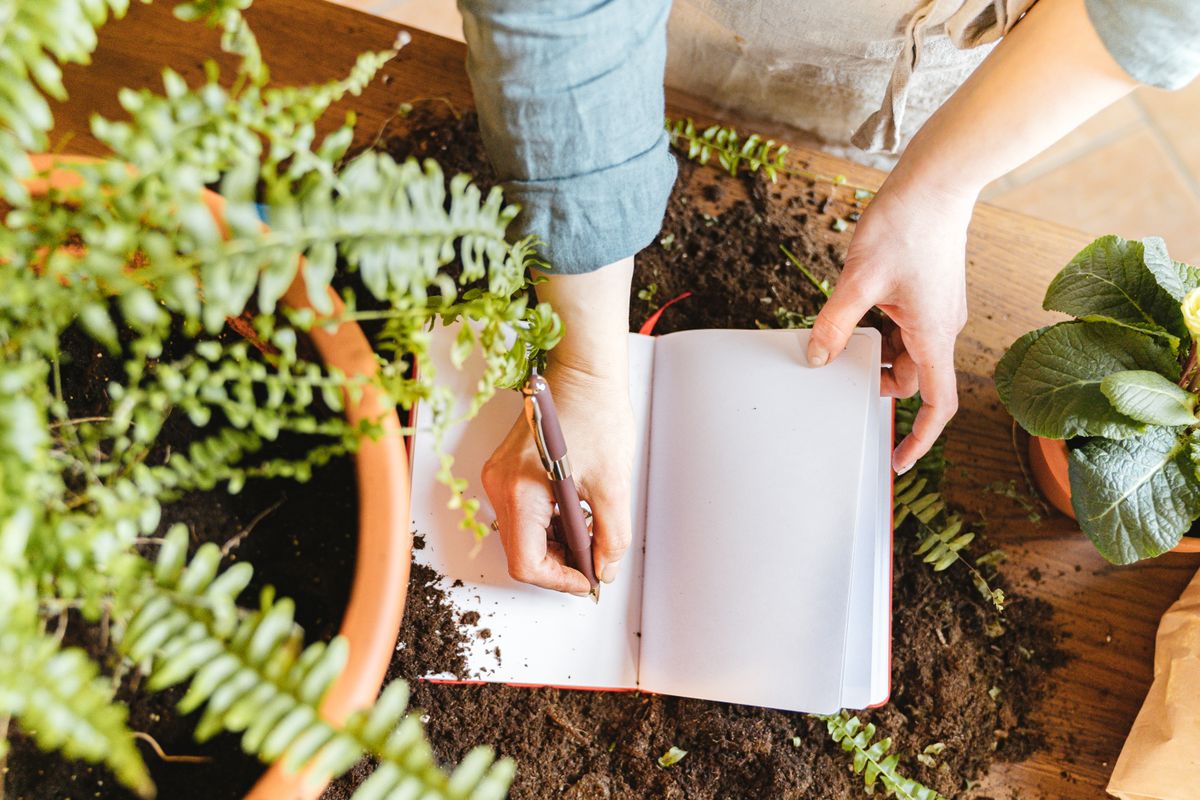
Start with the sun, not the plant
The single most useful thing you can do is watch where the sun falls. Spend a day noticing which parts of your garden or balcony get full morning sun, which bake in the hot afternoon, and which sit in shade most of the day. These are completely different growing conditions, and a plant that thrives in one will sulk or scorch in another. Map it roughly in your head or on paper, sunny spots here, shady spots there, and you have already avoided the most common planting mistake there is.
Know your soil and your water
Next, two quick honesty checks. What is your soil like, does it drain freely or stay soggy, and how much watering are you realistically going to do? There is no wrong answer, but the answers narrow your plant choices in a helpful way. A dry, free draining, sunny spot is perfect for water wise plants and lavender, while a richer, moisture holding bed suits leafy things. It helps to know what you are working with, which is what the best type of soil for plants covers, and if water is tight, creating a water wise garden is the place to start.
Choose plants that fit the place
Now, and only now, pick your plants. The trick is to choose plants that suit the conditions you actually have, rather than the ones you wish you had. A sun lover for the sunny spot, a shade plant for the shady one, a thirsty plant only where you will happily water it. Do this and the plants more or less look after themselves. Fight it, and you spend the next year nursing things that never wanted to be there.
This is exactly the job our Garden Planner was built to make easy. You tell it where you are planting and what you have in mind, and it cross references every plant against sun, water, climate and pot size for South African conditions, so you can see at a glance what will actually thrive in your spot before you buy a thing. If you are torn between a couple of options, our Plant Compare tool lines them up side by side, and you can browse everything we grow well in pots in the Plant Library.
Arrange for height, layers and water
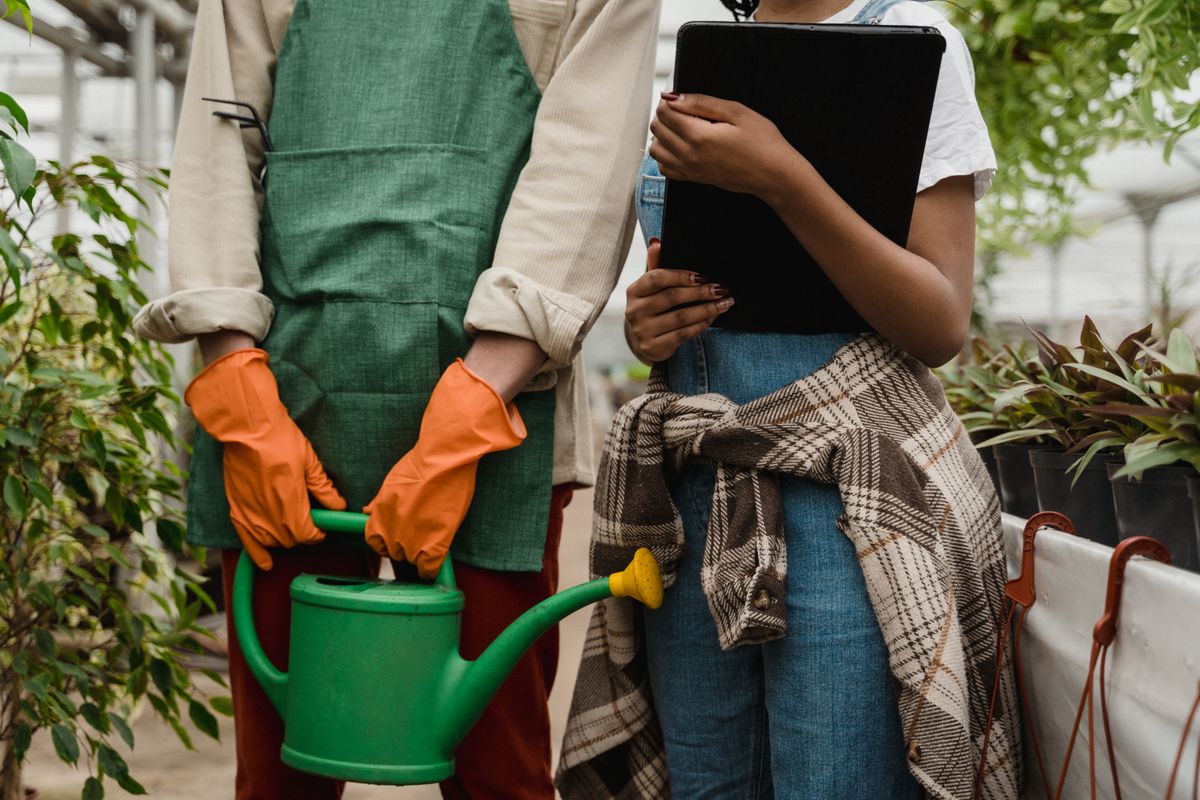
With your plants chosen, think about how they sit together. Put taller plants where they will not shade out shorter ones, layer from low at the front to tall at the back so nothing is hidden, and group plants with similar water needs together so you can water efficiently rather than drowning one to keep another happy. If you are working with pots, our guide to styling a garden with pots covers how to make a grouping look considered rather than random.
Do not forget the pots
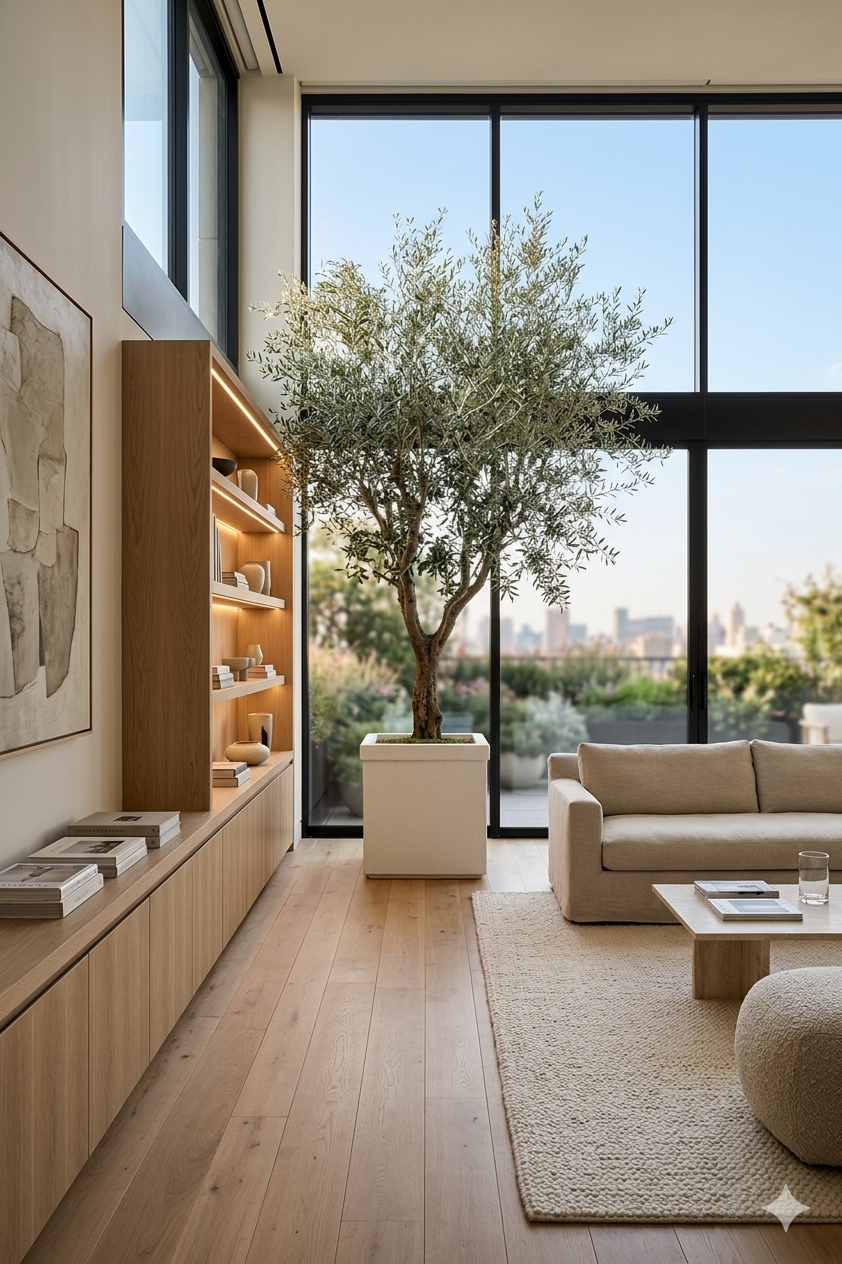
If you are gardening in containers, the pot is part of the plan, not an afterthought. A pot that is too small starves the roots, one with no drainage drowns them, and a light one blows over in the wind. Matching the pot to the plant and the spot is its own small skill, covered in how to choose the right pot for your plant, and the whole concrete pot range is there when you are ready.
The short version
Watch your sun, be honest about your soil and water, then choose plants that suit those conditions rather than fighting them. Arrange by height and water needs, and treat the pot as part of the plan. Do that and a garden mostly runs itself. The quickest way through all of it is to let the Garden Planner do the matching for you, so you plant with confidence the first time.

Leave a comment
This site is protected by hCaptcha and the hCaptcha Privacy Policy and Terms of Service apply.