
How to choose garden pots that last, and keep them looking new
Everyone has bought the cheap pot at some point. It looks fine in the shop, it survives one summer, and then the first cold snap or the first big wind finds it out. The plastic goes brittle and splits, the thin resin fades to a chalky nothing, the unglazed terracotta drinks up water and cracks clean through when it freezes. You end up buying the same pot two or three times, which is the most expensive way to save money there is.
A good pot is a buy-once thing. The trick is knowing how to tell one from a pretender before you hand over your card, and then giving it the small bit of care that keeps it looking new for years. None of it is complicated.
Why pots fail in the first place
Almost every early death comes down to the same few culprits. Cheap plastic and thin resin have no defence against ultraviolet light, so our strong South African sun bleaches and embrittles them within a season or two. Unglazed terracotta is porous, so it soaks up water, and on the Highveld that water freezes on a winter night, expands, and pops the pot from the inside. Anything light and top heavy simply blows over in a summer storm and shatters on the paving. And a pot with poor or blocked drainage quietly waterlogs its plant while looking perfectly healthy from the outside.
Once you can see those failure points coming, choosing well gets a lot easier.
What actually makes a pot last
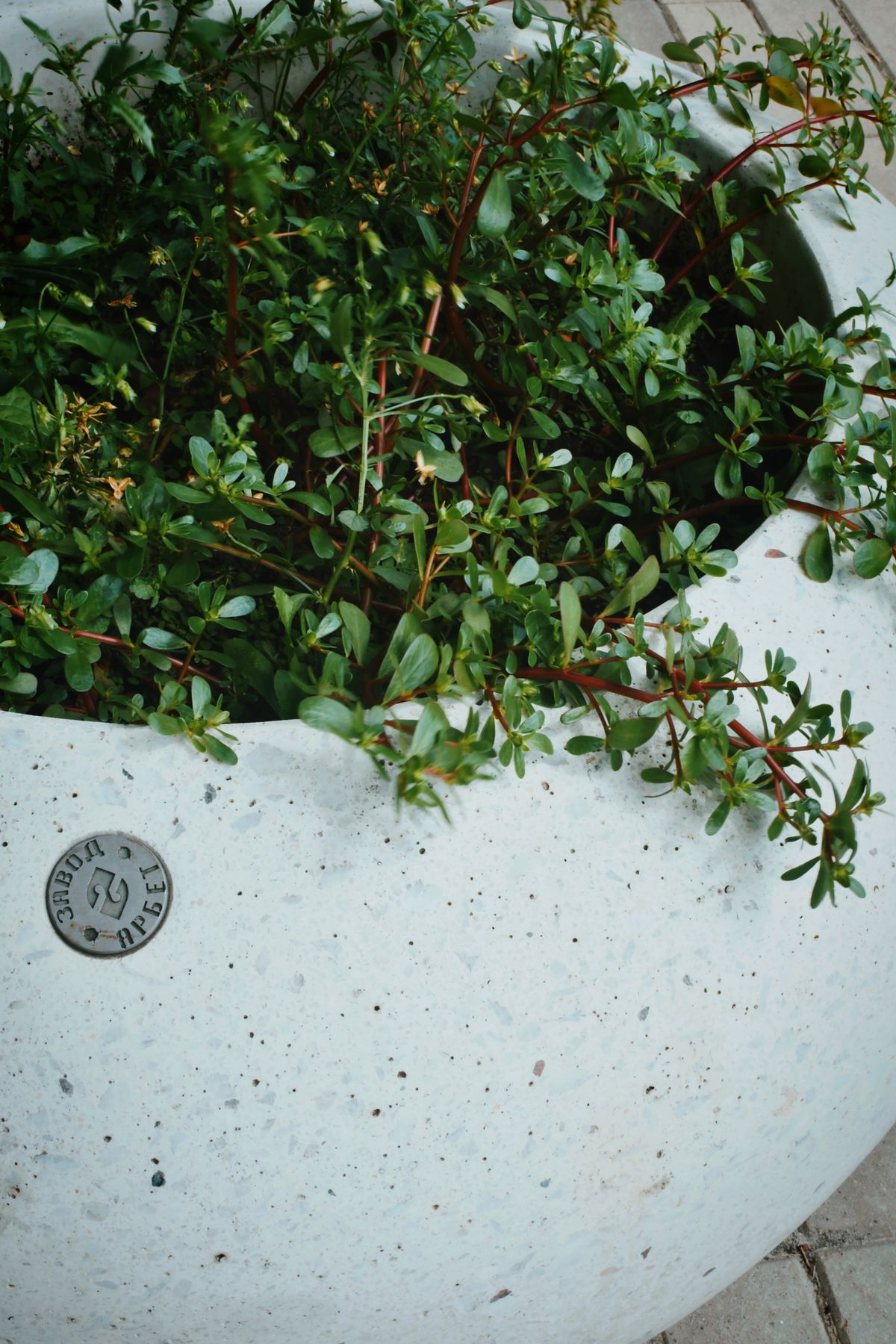
Material is the whole game. This is where fibre reinforced concrete quietly wins, and it is worth understanding why, which we get into in why choose fibre concrete pots over clay. In short, it does not fade in the sun, it does not go brittle with age, it handles frost far better than fired clay, and it has real weight, so it stays exactly where you put it even when the wind gets up. That weight feels like a downside when you are carrying it, and turns into the best feature once it is in place.
Beyond the material, run through a quick mental checklist. Pick it up, or try to, because heft usually means quality and stability. Look for a proper drainage hole, or the ability to make one, because a sealed base is a slow death sentence for a plant. Check the wall thickness, since thin walls crack and thick walls endure. And feel the finish, a good sealed surface sheds water and dirt instead of soaking it up. There is a fuller version of this in the older buyer's guide thinking we have folded into this page, and the pots in our concrete range are built to tick every one of those boxes.
The South African bit, weather that tests everything
Our conditions are genuinely hard on outdoor pots, so it is worth planning for them. On the Highveld the enemy is frost, so a frost tolerant material and a bit of drainage that stops water pooling and freezing makes all the difference. At the coast it is salt and humidity, which corrode fittings and bloom mould on porous surfaces. Almost everywhere it is intense summer sun that fades weaker materials, and those sudden late afternoon storms that flatten anything light. A heavy, sealed, frost tolerant pot handles all three without drama, which is most of the reason concrete has lasted in South African gardens for generations.
Keeping them looking new
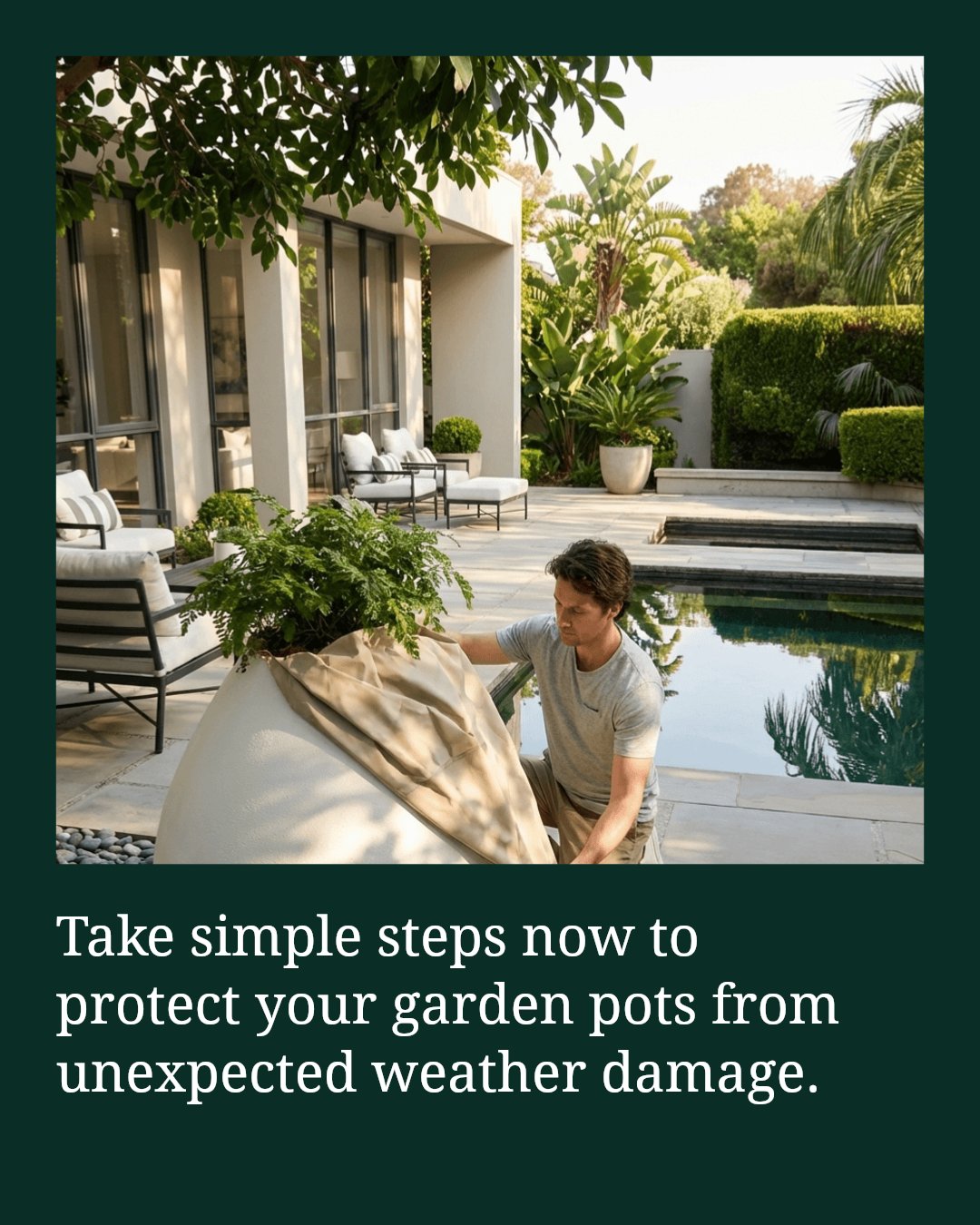
Good pots reward a tiny bit of upkeep with years of looking their best. Give them a wipe or a gentle wash once or twice a year to lift dust, pollen and the green film that builds up on any outdoor surface. Raise them slightly off the ground on pot feet or a couple of tiles, which keeps the drainage hole clear, stops staining on your paving, and lets air move underneath. Every few years a fresh coat of a suitable sealer brings the colour back up and renews the water resistance. And when the seasons turn, a quick once over stops small problems becoming big ones, which is exactly what our seasonal garden maintenance checklist is there to make easy.
Outdoor furniture lives by the same rules, so if you are kitting out a patio to last as well as look good, the concrete furniture range is built to the same standard as the pots.
The short version
Buy on material and weight, not on price alone. Make sure it can drain. Give it a wash and a lift off the ground now and then, and reseal it every few years. Do that, and a good pot outlasts the plants, the trends, and quite possibly the garden furniture, which is the whole point of buying the last one you will ever need. If you are still weighing up shapes and sizes while you are at it, our guide to styling a garden with pots picks up right where this leaves off.
For the full picture on how a hand-cast concrete pot handles our weather, and how to care for it over the years, read Concrete pots, explained.

Leave a comment
This site is protected by hCaptcha and the hCaptcha Privacy Policy and Terms of Service apply.