
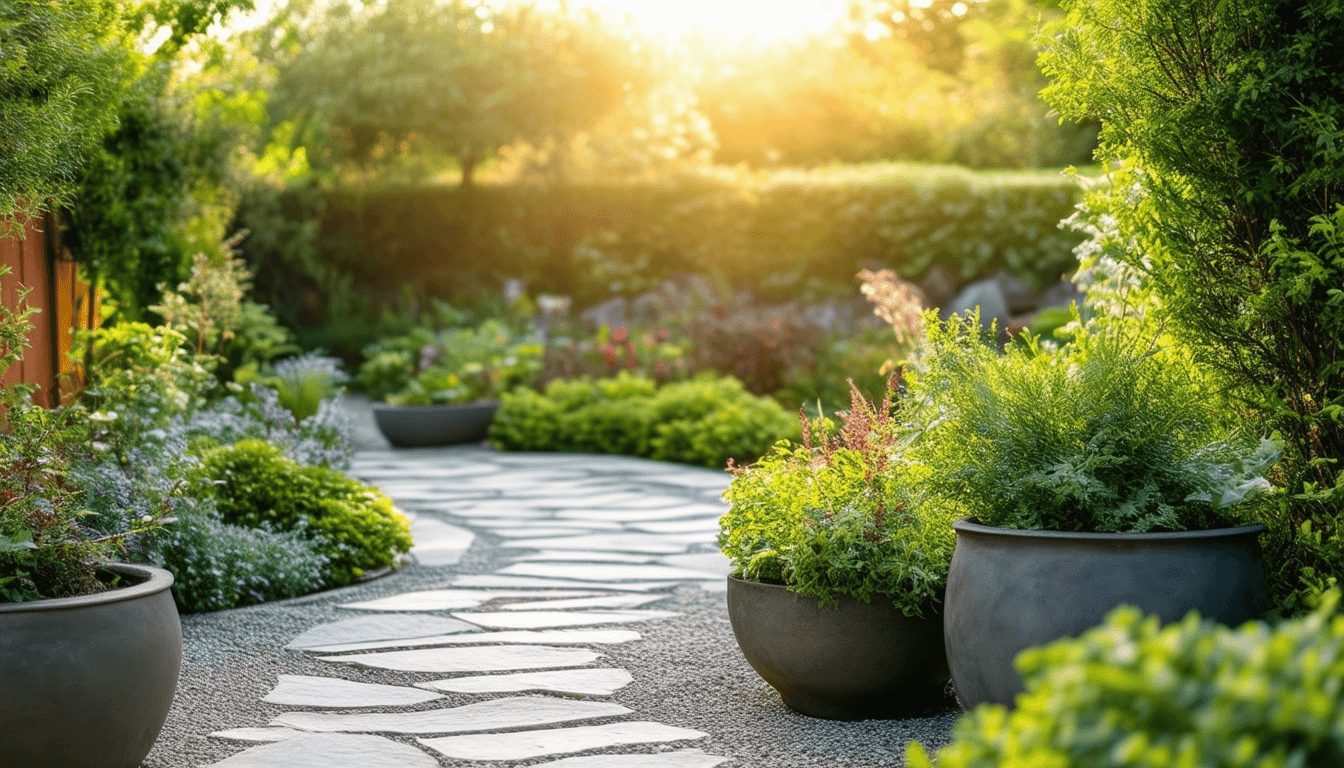
A season-by-season garden care guide for South Africa
The short answer
South Africa gardens all year, so the trick is knowing what each season asks of you where you live. Spring, roughly mid August to October, is for waiting out the last inland frost, then pruning damage, feeding beds, refreshing pots and getting lawn dressing down. Summer brings Highveld thunderstorms and hail and Cape drought, so water deeply in the morning, mulch everything, keep pots on feet with clear drainage holes, and lean on indigenous plants where restrictions bite. Autumn is the best planting window in the country and the time to plant bulbs, winter vegetables and shrubs before the cold. Winter means frost cloth and morning watering inland, and drainage above all in the wet Cape. Concrete pots and outdoor furniture need the same steady care in every season: keep them level, draining, off wet ground and brushed free of algae.
South Africa is one of the few places where you can garden twelve months of the year, and that is both the gift and the catch. Nothing ever fully stops, so there is no off-season to catch up in. The Highveld swings from black frost in July to hail in November. The Western Cape does the opposite, soaking through winter and baking through summer. Durban barely has seasons at all, just wetter and drier. Whatever the imported gardening calendars say, our year has its own rhythm, and once you learn it the garden gets a lot easier to keep.
This is the guide we hand to people who ask us what they should be doing right now. One flowing pass through each season, with the pots and the outdoor furniture folded in, because they live outside through all of it too and they have their own needs. If you want the detailed August to October jobs, our spring preparation checklist goes deeper. This is the whole year at a glance.
How our seasons really run
Officially spring starts on 1 September, summer on 1 December, autumn on 1 March and winter on 1 June. In practice the inland summer rainfall region, which covers Gauteng, Mpumalanga, Limpopo, the Free State and North West, has a hot wet summer from October to March and a cold dry winter from May to August, with frost most nights in July. The winter rainfall region around Cape Town has cool wet winters from May to August and long dry summers. The east coast from Gqeberha up through Durban gets rain year-round, heaviest in summer, and almost never sees frost. The South African Weather Service is the place to check what is coming, and their seasonal outlook in particular is worth a glance at the start of each season before you decide how much to plant and how much to water.
Spring: wake things gently
From mid August the light changes and everything wants to grow, but inland the frost is not done. Hold off on pruning frost-damaged growth until new shoots appear, then cut back hard. Feed beds with compost, refresh the top layer in pots, repot anything that has outgrown its container and get lawn dressing down once the grass is actively growing. Sow tender crops only once the soil is warm in the morning, usually October inland, earlier at the coast. Spring is also when clivias flower in the shade, and if you have a dark corner under a tree that nothing else likes, Clivia miniata in a big pot is the answer, as SANBI's page on it explains.
For pots, spring is the checking season. Clear drainage holes, brush off winter algae and efflorescence, and lift any pot standing directly on paving onto concrete pot feet. For furniture, wipe concrete tables and benches down with soapy water, check that they sit level after a winter of ground movement, and move anything back into the sun that you shifted under cover.
Summer: thunderstorms, heat and the water bill
Inland summer is generous and violent. Afternoon thunderstorms drop twenty millimetres in half an hour and then the sun comes straight back out, hail arrives with no notice in November and December, and between storms the heat dries a small pot by lunchtime. Water early in the morning, deeply, at the base of the plant, and mulch everything. Mulch is the single biggest water saver in a South African summer garden, and we explain the options in what is mulch. Where water restrictions are in force, pots come into their own because every drop goes to a root rather than the gap between plants. Our guide to watering outdoor potted plants covers how often and how much.
The Cape summer is the opposite problem: months without rain, a drying southeaster and water restrictions that come around most years. Group pots together in partial shade, choose bigger pots that hold more soil, and lean on indigenous plants like ivy-leaved pelargonium and vygies that evolved for exactly this. Everywhere, feed pots lightly through summer because heavy watering washes nutrients out, and deadhead constantly to keep flowers coming.
Pots and furniture face two summer risks: hail and the sun. Hail will shred leaves but a hand-cast concrete pot from our Fibre Concrete Mix does not mind it at all. What does matter is drainage during those cloudbursts, so pots must be on feet and holes must be clear or plants drown in an afternoon. Concrete furniture is fine in the sun, though cushions are not, so bring them in or use a storage bench. If a storm is forecast with strong wind, move lightweight pots against a wall and lay tall lightweight ones down. There is more on this in how to protect your garden pots from unexpected weather.
Autumn: the planting season nobody uses
March to May is the best planting window in South Africa and almost everyone misses it because the nurseries are quiet and the excitement has gone out of the year. The soil is still warm from summer, the rains are tapering off inland and starting up in the Cape, and the heat that stresses new plants is gone. Anything you plant now, shrubs, trees, perennials, indigenous groundcovers, gets a full cool season to root before it has to face a summer. Plant winter and spring bulbs in April and May, sow winter vegetables like broad beans, peas, spinach and brassicas, and divide overgrown perennials.
Autumn is also the time to reduce watering as the days shorten, rake and compost fallen leaves rather than binning them, and give the lawn a final feed before it slows down. Inland, start thinking about which frost-tender pots need to move to a sheltered spot before the first cold snap, which can arrive in early May in a bad year. For furniture, autumn is the time to reseal any timber pieces and to check concrete pieces for algae after the wet summer.
Winter: frost on the Highveld, rain in the Cape
Highveld winter is dry, bright and cold. Frost settles on still, clear nights, hardest in low-lying spots and open lawns, and a black frost in July can kill even tough plants outright. Cover tender plants with frost cloth on nights the forecast drops below three degrees, water pots in the morning so the soil is not wet and freezing at night, and stop feeding almost everything. The RHS has a clear rundown of how frost damage happens and what recovers. Aloes are the winter reward inland, and Aloe arborescens in a large pot in full sun will flower orange right through June and July while everything else sleeps.
The Cape winter is wet and mild. The job there is drainage, because waterlogged soil kills more than cold does. Check that pots drain freely, lift them onto feet, hold off on planting anything that hates wet feet, and take advantage of the rain to establish indigenous fynbos plants that want exactly this pattern. Along the east coast, winter is simply the dry season and a good time to plant almost anything.
For pots, winter is the season that separates good concrete from bad. Water that soaks into a pot and freezes expands, and over several cycles it flakes the surface and eventually cracks a plain concrete or terracotta pot. Fibre-reinforced concrete resists this far better, but it still helps to keep pots draining and off the wet ground on feet. For concrete furniture, winter is when you notice the pieces that were not level, because standing water on a table top freezes and marks. Brush off frost and leaves, and if you want the full story on choosing furniture that lasts through all of this, read our concrete garden furniture buying guide.
Looking after concrete pots through the year
A well-made concrete pot needs very little from you, but the little it needs is the same in every season. Keep the drainage hole clear. Keep the pot on feet so the base can dry and water can run away, especially in the Cape winter and the Highveld summer storm season. Brush off algae and efflorescence when you see them rather than letting them build. Plant it properly in the first place with a layer of Pot Filler at the base of large pots and good outdoor potting soil above. Do that, and a pot cast from our Fibre Concrete Mix will still be standing in the garden when the plants in it have been replaced three times over.
Outdoor furniture, season by season
Concrete furniture is popular here for a reason: it does not blow over in a Highveld storm, it does not rot in a Cape winter and it does not fade like resin. Its year is simple. Wipe it down in spring, keep cushions out of summer storms, check it for algae in autumn and make sure it is level and draining in winter. Timber and metal pieces need more, with resealing and rust checks in autumn before the wet or the cold. Whatever you have, an annual once-over in autumn is the habit that makes furniture last a decade instead of three summers.
Every season here asks something different of the garden, and most of it comes down to water in one form or another, too much in a summer storm, too little in a Cape February, frozen in a Highveld July. The small things that manage water for you, feet that lift pots off wet ground, trays that catch run-off on a stoep, are what carry a garden through all four. You will find them together in our trays, feet and extras, and once they are in place, the rest of this guide gets a good deal easier to follow.
The small things that carry a garden through the year
Feet that lift pots off wet ground and trays that catch run-off on a stoep are in our trays, feet and extras collection.
Shop trays, feet & extras →Frequently asked questions
What should I do in my garden in winter in South Africa?
Inland, cover tender plants with frost cloth on cold clear nights, water pots in the morning, stop feeding and leave frost damage in place until spring. In the Cape, focus on drainage and plant fynbos while the rain does the work.
When is the best time to plant in South Africa?
Autumn, from March to May. The soil is still warm, heat stress is over and plants get a full cool season to root before summer. Spring after the last frost is the second best window.
How do I protect pots from Highveld thunderstorms and hail?
Keep drainage holes clear and stand pots on feet so a cloudburst drains away rather than drowning roots. Move lightweight pots against a wall before strong winds; fibre-reinforced concrete pots shrug off hail.
Do concrete pots crack in frost?
Plain concrete and terracotta can flake and crack when absorbed water freezes and expands. Fibre-reinforced concrete resists this far better, and keeping pots draining freely on pot feet reduces the risk further.
How do I look after concrete garden furniture through the year?
Wipe it down with soapy water in spring, keep cushions out of summer storms, check for algae in autumn and make sure pieces sit level and drain in winter so water does not pool and freeze on surfaces.

Leave a comment
This site is protected by hCaptcha and the hCaptcha Privacy Policy and Terms of Service apply.