
Pots and water features for a Cape Town garden: wind, winter rain and salt air
The short answer
A Cape Town garden has three things to plan for: dry, windy summers, wet winters and, near the sea, salt in the air. The south-easter blows from roughly September to March, so choose heavy concrete pots with a wide base, group them, and put tall ones where a wall breaks the wind. For winter rain, make sure every pot drains and stand it on pot feet rather than in a saucer. Plant tough, wind tolerant plants such as agapanthus and wild rosemary, mulch pots with pebbles to hold moisture through summer, and choose low, bubbling water features over tall spouting ones, which lose water to the wind. We deliver across Cape Town for R650, and you can see the range in person at our Cape Town store in Table Bay Mall.
Gardening in Cape Town is a bit like sailing. The weather is glorious for most of the year, and then the wind arrives and reminds you who is in charge. A pot that looked perfect in a still April afternoon ends up on its side in December, the herbs on the balcony are shredded, and the water feature is somehow half empty by teatime. None of that means you cannot have a beautiful container garden in the Cape. It just means choosing pots, plants and positions with the Cape in mind.
This guide is for gardens from the city bowl and Atlantic seaboard out to the northern and southern suburbs, and it covers the three things that shape everything else here: the wind, the winter rain, and the salty air near the coast.
What makes a Cape Town garden different
Most of South Africa gets its rain in summer. The Western Cape does it the other way round. Its climate is Mediterranean, with warm to hot, dry, sunny summers and mild, rainy winters, so your pots dry out fastest exactly when the rain stops, and sit wet for weeks at a time in July.
Then there is the wind. The south-easter, the famous Cape Doctor, is a strong, often persistent and dry wind that blows from spring through to late summer, roughly September to March. It is the reason Cape gardeners talk about shelter far more than gardeners anywhere else in the country, and it affects every decision below.
Wind comes first
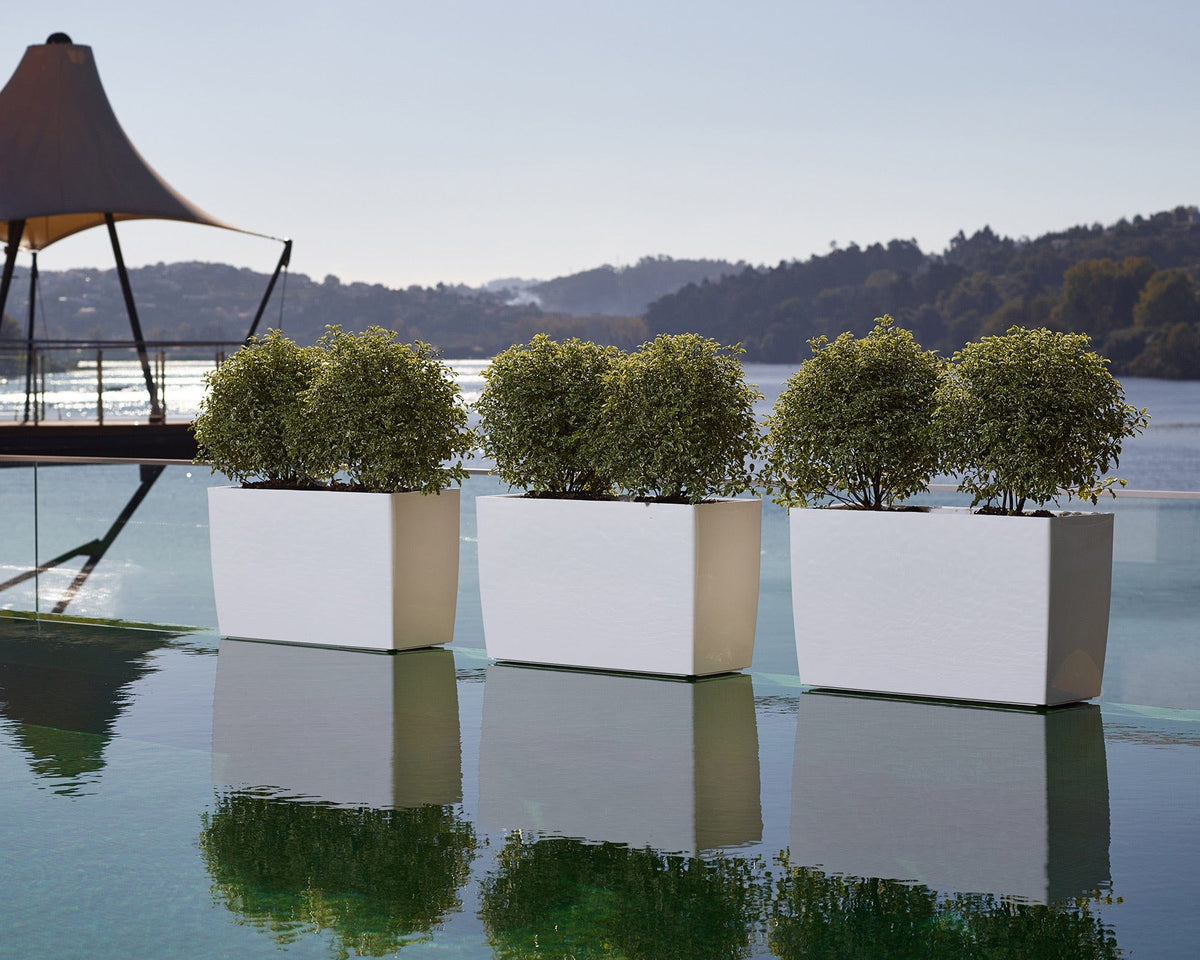
Weight is your friend in a Cape garden. A heavy concrete pot with a wide base simply stays where you put it, while a light pot with a tall plant in it becomes a sail. So for exposed spots, choose broad, low shapes over tall, narrow ones, and keep your lighter pots for sheltered corners. Our Lightweight Décor range is lovely on a protected stoep or indoors, but on a windy balcony it needs a sheltered spot, or a heavier pot beside it.
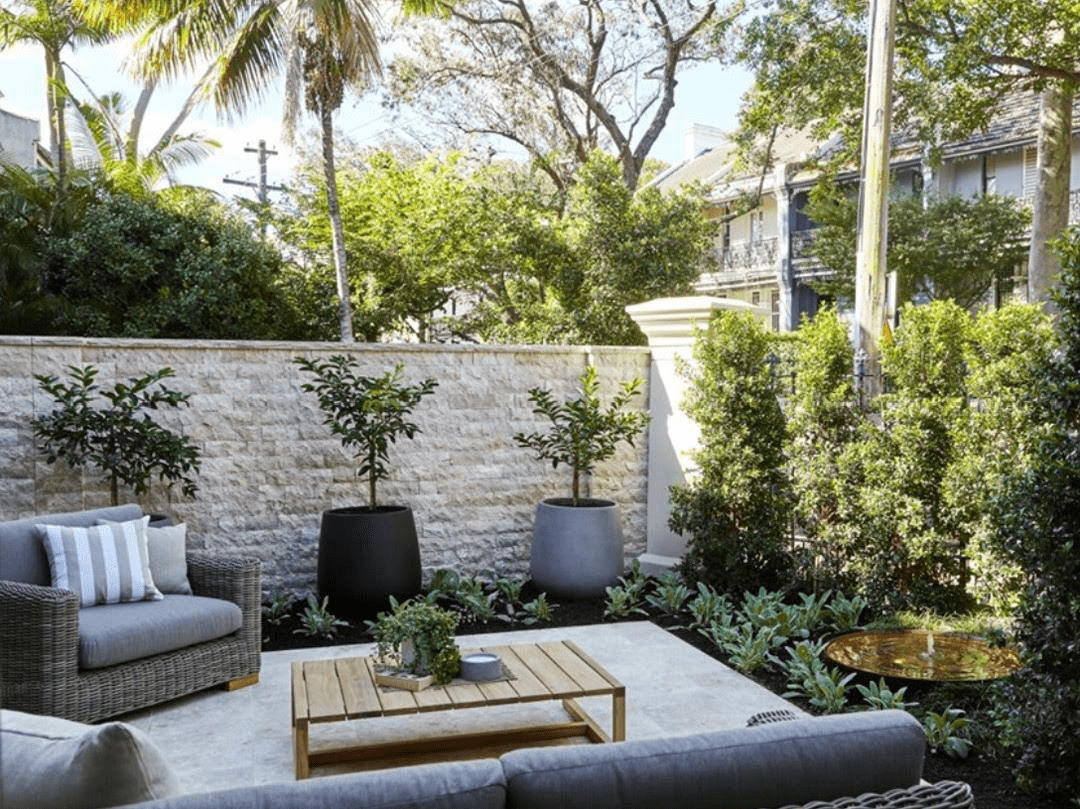
Shelter multiplies what you can grow. The RHS notes in its advice on coastal gardens that a windbreak can reduce the wind on its sheltered side for a distance of about ten times its own height, so even a low wall, a hedge or a group of big pots on the windward side makes a real difference to everything behind it. Grouping pots helps in another way too, because they shelter each other and hold humidity between them. Tall pots, like our Nevada, look wonderful against a wall and far less wonderful alone in the middle of a windy terrace.
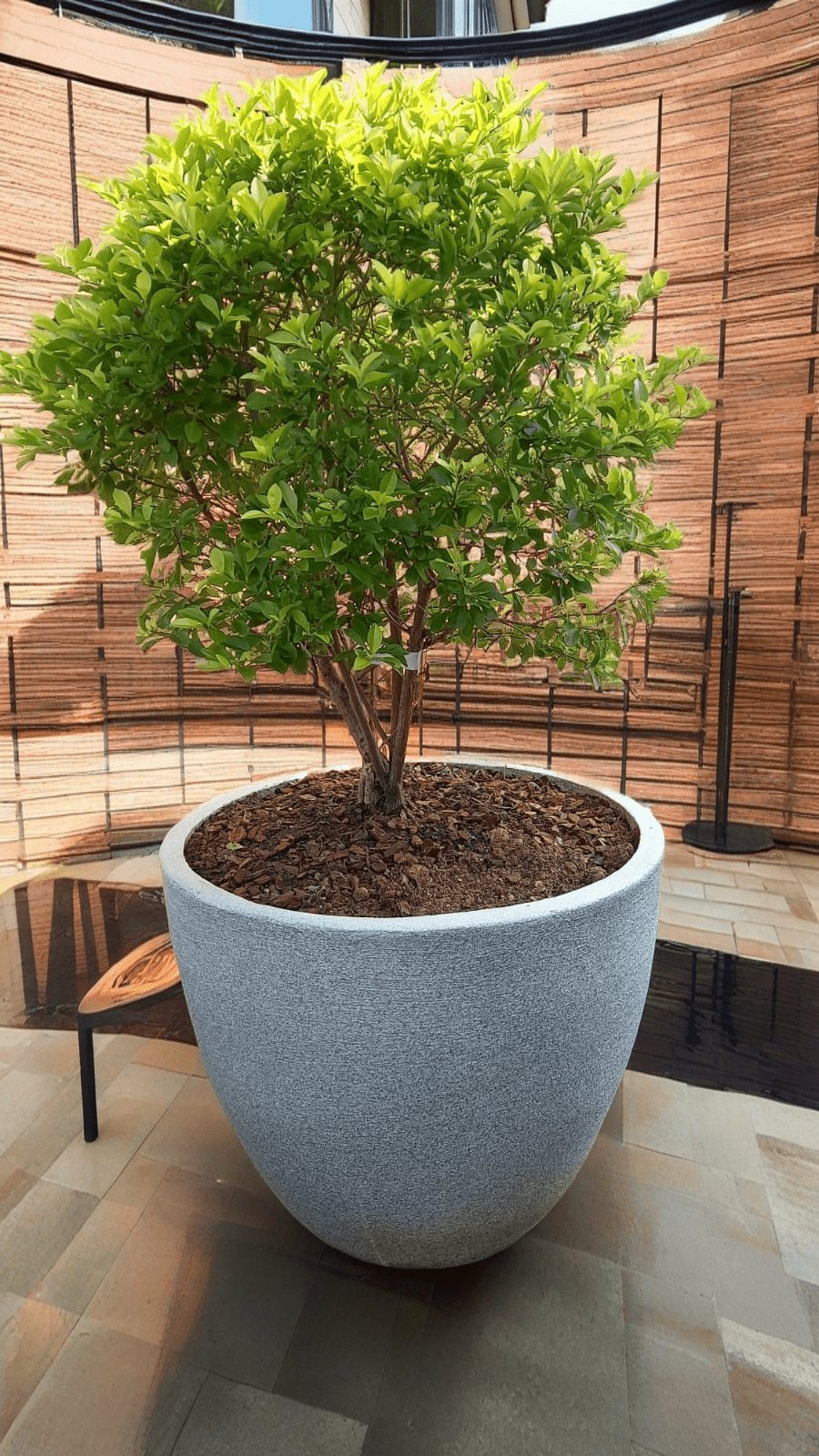
If you are planting a small tree in a pot, the same rule applies with more force. We go through how to size the pot and keep it upright in what size pot does a tree need, and for balconies, our guide to the best pots for a balcony or patio covers weight limits alongside the wind.
Winter rain and drainage
A Cape winter is when pots get waterlogged. Rain falls for days, soil stays saturated, and a pot sitting in a saucer or flat on wet paving never gets the chance to drain. Roots sitting in cold, wet soil are far more likely to rot than roots in a pot that drains freely.
The fix is simple and worth doing before the first front comes through. Make sure every pot has a working drainage hole, and stand it on pot feet so water runs straight out. The RHS advice on growing plants in containers is to keep drainage holes clear by raising pots onto feet or bricks, and to remove trays and saucers before winter so pots are never left standing in water. It is the single most useful habit for a Cape winter. Our guide to planting a concrete pot so it drains well walks through the rest.
Dry summers, and keeping pots watered
Then the rain stops, the south-easter starts, and pots dry out quickly, because the wind strips moisture from both the soil and the leaves. Bigger pots help, because a larger volume of soil holds water for longer. So does a layer of pebbles on top, which slows evaporation and stops the wind blowing the surface dry, and our white pebbles do the job while looking tidy. Group thirsty plants together so you can water them in one go, and water deeply in the cool of the morning rather than little and often.
Cape Town has learned to take water seriously, and pots are one of the most water wise ways to garden, because every drop goes where you put it. We explain why in why pots are the water wise way to garden, and there is more on planning a whole garden around water in creating a water wise garden in South Africa.
Salt air near the coast
If you live within sight of the sea, your plants have one more thing to cope with. The RHS describes the strong, often salt laden winds of coastal gardens as their defining challenge, and salt carried on the wind is hard on soft, tender leaves, so plant choice matters.
The good news is that the Cape's own plants are made for this. SANBI notes that wild rosemary, Eriocephalus africanus, grows in the salty air along the coast, where it develops more succulent leaves, and that it is fairly hardy, drought resistant and happy in full sun and well drained soil, which describes a sunny pot perfectly. Agapanthus is another natural fit. SANBI says agapanthus stand up to the wind in difficult seaside gardens and that they all make good pot plants. As a rule of thumb, plants with narrow, grey, leathery or succulent leaves cope with wind and salt better than those with big, soft ones, which is why so many aloes and succulents look happy on Cape balconies. Our guide to indigenous South African plants has plenty more.
Water features in the wind
A water feature in a Cape garden needs a bit of thought, because wind and water do not always get on. A tall feature that throws water from a height or pours it from a spout loses a surprising amount to spray on a windy day, and the reservoir empties far faster than you expect. Low features where water bubbles up and runs over a surface cope much better, because there is nothing for the wind to catch.
That makes shapes like the Millstone, where water wells up and spills over a smooth top, and the Shanghai, which bubbles up and washes over its surface and comes with its pump included, a natural choice for an exposed Cape patio. The Boulder works the same way and looks at home in a fynbos style bed. If you have your heart set on something taller, put it in the lee of a wall, check the water level more often through summer, and top it up after a windy day. There is more on choosing a feature in our guide to choosing a water feature, and on power and pumps in how to set up a water feature.
Birds are a lovely bonus of water in a Cape garden, and a shallow concrete bird bath is heavy enough to stay put when the south-easter picks up. Our guide to attracting more birds into your garden covers where to put one.
Delivery, and seeing the pots in person
We deliver across Cape Town for R650. Most online orders are made to order, so for Cape Town and Durban allow four to six weeks from ordering, which is worth knowing if you are planning a garden for a particular date. If you would rather see the finishes and sizes in person before you decide, our Cape Town store in Table Bay Mall carries a range of pots, and seeing a colour against real light often settles a decision faster than any photograph. A finish can look quite different in bright Cape light than it does on a screen.
If you are still weighing up materials, our honest guide to concrete pots covers weight, strength and how they age, and our Durban and North Coast guide and Johannesburg and Pretoria guide cover how things change in other parts of the country.
Pots that stay put in the south-easter
Browse heavy, wide based concrete pots and low water features, delivered across Cape Town for R650.
Shop concrete pots →Frequently asked questions
Will a concrete pot blow over in the south-easter?
A heavy, wide based concrete pot is very stable. The risk comes from tall, narrow pots with a big plant on top, so in exposed spots choose broad shapes, group pots together and put tall ones against a wall.
What are the best pots for a windy Cape Town balcony?
Heavy, wide based pots in the size your balcony can carry. Lightweight pots look great but need a sheltered corner, and a layer of pebbles on the soil stops the wind drying it out.
Which plants cope with wind and salt air in pots?
Plants with narrow, grey, leathery or succulent leaves do best. Wild rosemary and agapanthus are both indigenous and, according to SANBI, handle coastal and windy conditions well.
Do you deliver to Cape Town?
Yes, across Cape Town for R650. Most online orders are made to order, so allow four to six weeks, or visit our store in Table Bay Mall to see the range in person.
Which water features work best in the wind?
Low features where water bubbles up and runs over a surface, like the Millstone, Shanghai or Boulder, lose far less water to spray than tall or spouting features.

Leave a comment
This site is protected by hCaptcha and the hCaptcha Privacy Policy and Terms of Service apply.