
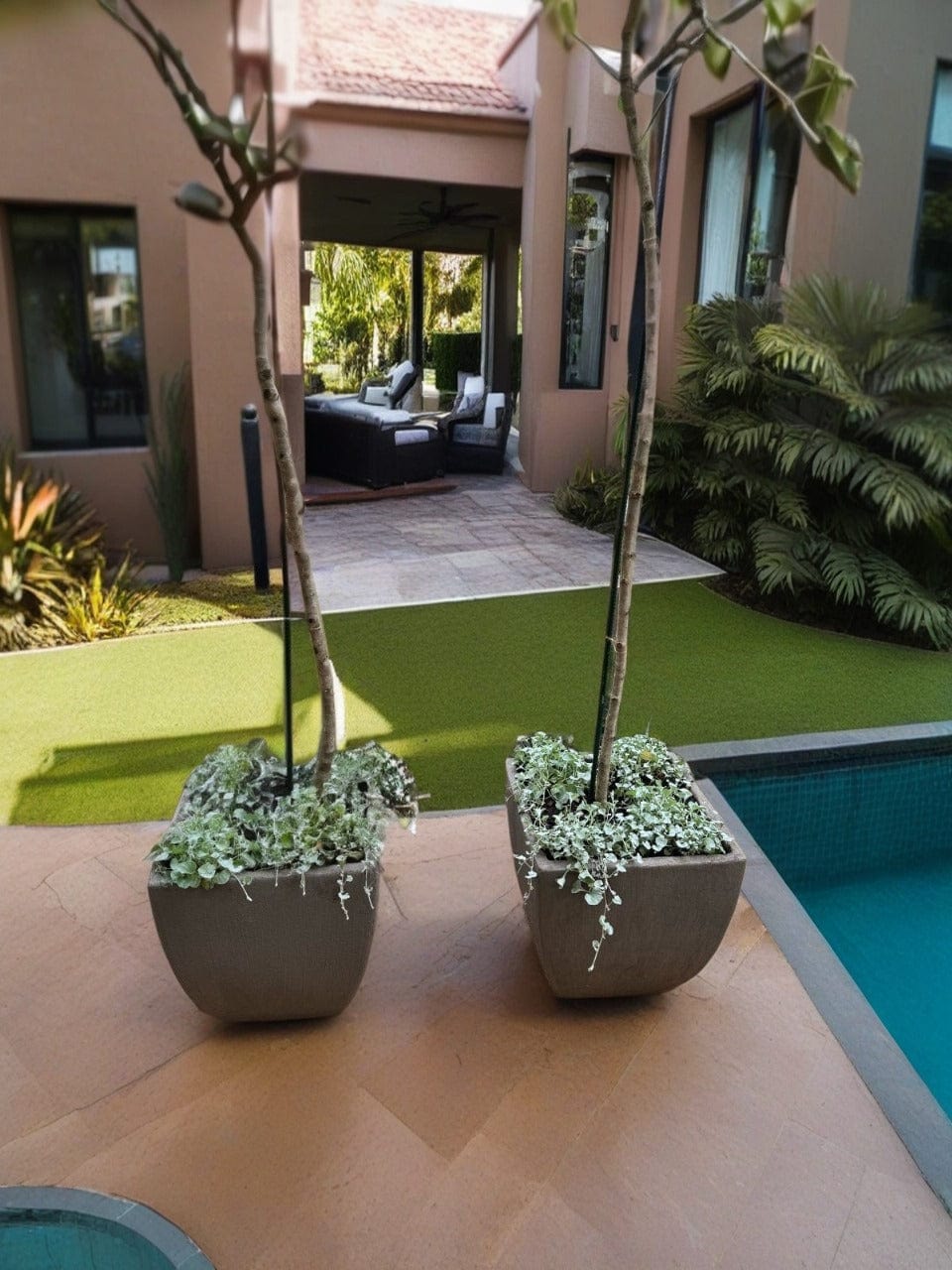
Pots and water features for a Durban or North Coast garden: heat, humidity and salt
The short answer
Durban and the North Coast are humid and subtropical, with hot, wet summers and mild, dry winters that are frost free. That makes pots easier here in some ways, because citrus and tropical plants grow all year, and harder in others. Summer downpours waterlog pots that cannot drain, standing water breeds mosquitoes, and near the sea the wind carries salt. So use a free draining mix, stand pots on pot feet instead of saucers, choose big pots that hold moisture through the dry winter, and plant indigenous coastal plants such as strelitzia and Dietes that grow naturally here. Keep water features moving and topped up, and give them some shade to slow algae. We deliver across Durban for R650, and you can see the range at our Ballito store in Ballito Junction.
Gardening on the KwaZulu-Natal coast has a generosity to it that the rest of the country envies. Things just grow. Strelitzias flower on stoeps in Umhlanga, lemons carry fruit in pots in Durban North, and a pot planted in spring looks established by Christmas. The flip side is that the same warmth and humidity bring their own problems, and a container garden here needs to be planned for heat, heavy rain and, close to the sea, salt.
This guide is for gardens from the Bluff and the city through Durban North, Umhlanga and La Lucia up the Dolphin Coast to Ballito and beyond. It covers the climate, drainage, plants that belong here, mosquitoes, and water features that stay pleasant in the heat.
What makes a coastal KZN garden different
Durban has a humid subtropical climate, with hot, humid summers and mild, dry winters that are frost free, and around a metre of rain a year, most of it in summer. For pots, that sets up two different seasons. In summer, the challenge is too much water at once and heat that dries the surface fast between storms. In winter, it barely rains, so pots quietly dry out while you are not paying attention.
The absence of frost is a real gift. Citrus and big tropical foliage plants that need sheltering from Highveld frost are simply at home here all year. It also means growth does not stop, so pots tend to fill with roots faster, and plants in containers usually need feeding and repotting a little more often than they would inland.
Drainage, in the humidity and the downpours
A summer storm on the coast can drop a lot of water in an hour, and a pot that cannot drain turns into a bucket. Roots sitting in warm, waterlogged soil rot quickly, so drainage matters even more here than it does inland. Every pot needs a working drainage hole, and the mix inside should be open and free draining rather than dense. Soil dug from the garden is the worst thing to use, because it compacts in a pot and holds water, as we explain in can garden soil be used in pots.
Then lift the pot. The RHS advice on growing plants in containers is to keep drainage holes clear by raising pots onto feet or bricks, and outdoors on the coast that has a second benefit. A pot on pot feet does not need a saucer, and a saucer of standing water in Durban's summer is an open invitation to mosquitoes. There is more on planting a pot so it drains properly in how to plant a concrete pot so it drains well and lasts.
Heat, and choosing the right pot
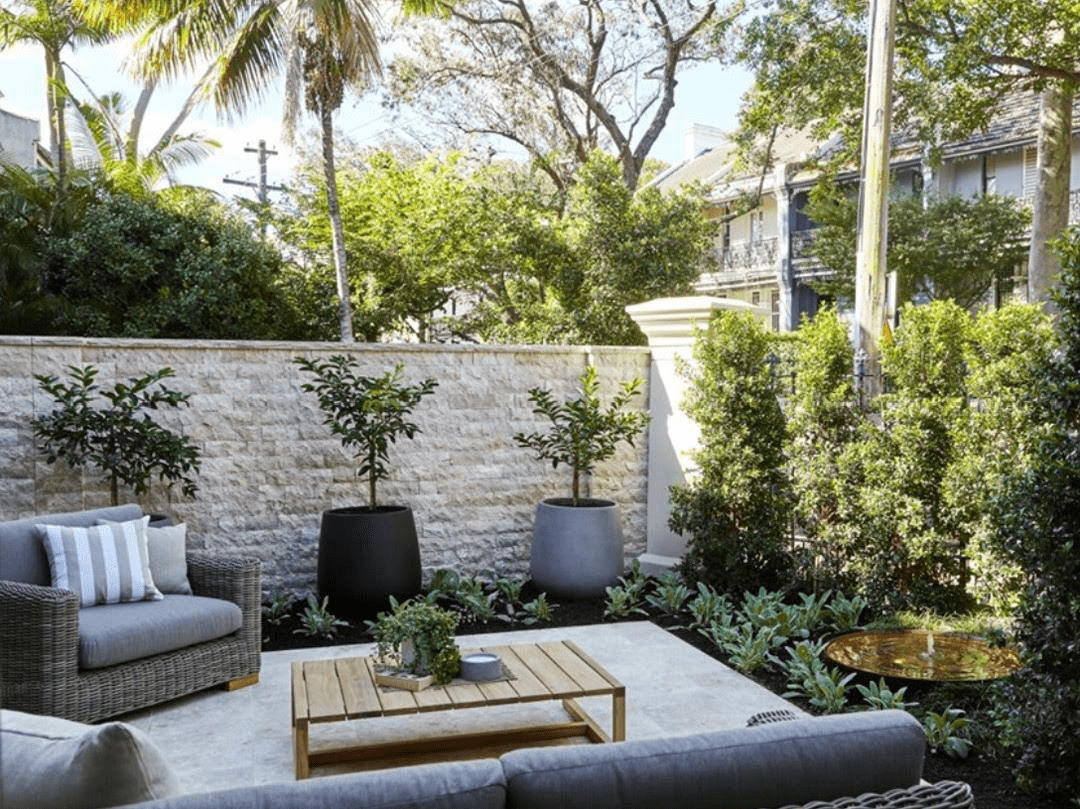
Big pots are your friend in the heat. A larger volume of soil stays cooler and holds moisture far longer than a small one, so the plant copes better with a run of hot days, and you water less often. If a spot gets fierce afternoon sun, a pale finish such as Flinted White stays cooler to the touch than a dark one like Chryso Black, which is worth thinking about for plants with shallow roots. Dark finishes look wonderful in shade, where they stand out against green.
Group pots together where you can. They shade each other's sides, hold a little humidity between them, and are easier to water in one go. Through the dry winter, a layer of pebbles on the soil slows evaporation, and our guide to watering outdoor potted plants covers how much and how often.
Salt air and the sea breeze
Close to the beach, the breeze carries salt. The RHS describes the strong, often salt laden winds of coastal gardens as their defining challenge, and it notes in its advice on coastal areas that a windbreak can reduce the wind on its sheltered side for about ten times its own height. So on a seafront balcony or garden, put your most exposed plants behind a wall, a screen or a group of bigger pots, and save the soft, tender plants for the sheltered side of the house.
Plants that belong on the coast
The easiest pots to live with are planted with things that grow naturally where you live, and the KZN coast has some of the best container plants in the country. SANBI notes that Strelitzia reginae occurs naturally along the eastern coast from Humansdorp to northern KwaZulu-Natal and calls it an ideal pot plant, so a big crane flower in a wide pot is about as local as it gets. Dietes grandiflora, the large wild iris, grows naturally along the coast of the Eastern Cape and southern KwaZulu-Natal, handles sun or shade, and is drought hardy, which helps through the dry winter. Agapanthus make good pot plants too, and SANBI says they stand up to the wind in difficult seaside gardens.
For a lemon or another fruit tree in a pot, the coast is kinder than anywhere inland, and our guides to what size pot a tree needs and the easiest fruit trees to grow in pots cover the details. There are plenty more ideas in our guide to indigenous South African plants.
Mosquitoes and standing water
Humid summers and standing water are a mosquito's idea of a perfect home. The CDC's advice on mosquito control at home is to empty and scrub anything that holds water, including flowerpot saucers and bird baths, once a week. In a pot garden, that means pot feet instead of saucers outdoors, tipping out anything that collects rain, and rinsing a bird bath often. It is the same routine birds benefit from, and our guide to attracting more birds into your garden has more on keeping a bird bath clean.
Water features in the heat
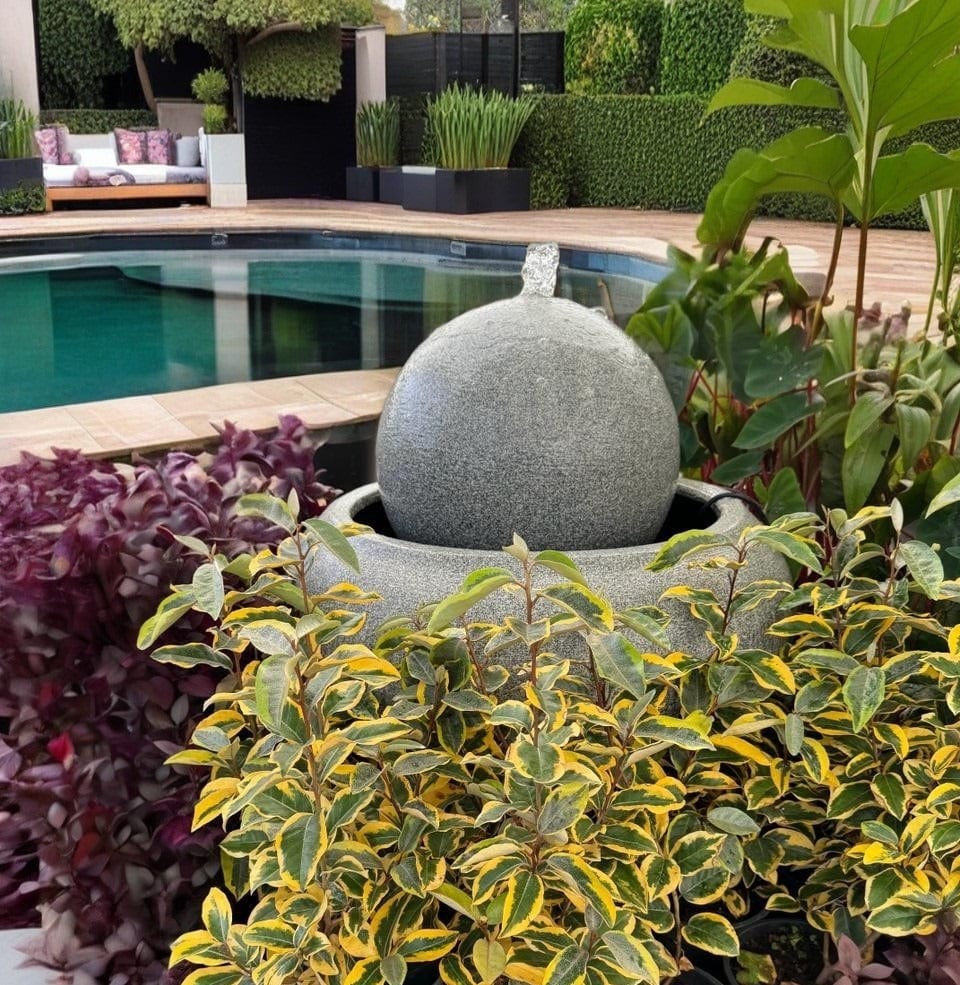
A water feature is lovely on a hot coastal evening, and the sound of moving water is surprisingly cooling. Moving water also helps with mosquitoes, because the surface never sits still. Two things change in the heat, though. Evaporation is faster, so check the level more often in summer and never let it drop below the pump. And warm water grows algae more readily, so a feature that gets some shade during the hottest part of the day stays cleaner for longer, which matches the RHS's advice that partial shade over water helps keep algae down.
Self contained features are the easiest to live with, because water simply recirculates from a basin with no plumbing. The Shanghai and the compact Sun both come with their pump included, and the Sun's 360 mm footprint suits a small balcony. For a garden, the Millstone and Bali look at home among lush planting. Our guide to choosing a water feature helps you choose a style, and how to set up a water feature covers power and upkeep.
Delivery, and seeing the pots in person
We deliver across Durban for R650. Most online orders are made to order, so for Durban and Cape Town allow four to six weeks from ordering. If you would rather see sizes and finishes before you decide, our Ballito store in Ballito Junction Regional Mall carries a range of pots, and seeing a finish in bright coastal light is often the fastest way to choose.
If you are still deciding on materials, our honest guide to concrete pots covers weight, strength and how they age, and our Cape Town and Johannesburg and Pretoria guides show how different things are in other parts of the country.
Pots for a coastal garden
Browse big concrete pots, pot feet and water features, delivered across Durban for R650.
Shop concrete pots →Frequently asked questions
Do you deliver pots to Durban and Ballito?
Yes, we deliver across Durban for R650. Most online orders are made to order, so allow four to six weeks, or visit our store in Ballito Junction Regional Mall to see the range.
Which plants grow best in pots on the KZN coast?
Indigenous coastal plants are the easiest. Strelitzia reginae and Dietes grandiflora both grow naturally on this coast, and agapanthus stand up to seaside wind.
How do I stop mosquitoes breeding in my pots?
Use pot feet instead of saucers outdoors, tip out anything that collects rainwater, and scrub bird baths and saucers at least once a week, as the CDC recommends.
Why do my pots get waterlogged in summer?
Usually because the drainage hole is blocked, the mix is too dense, or the pot sits in a saucer. Use a free draining potting mix and stand the pot on feet so water runs straight out.
Can I keep a lemon tree in a pot in Durban?
Yes, and more easily than inland, because the coast is frost free. Pot it up gradually into a pot only slightly larger than the root ball each time, and keep it well drained through the summer rain.

Leave a comment
This site is protected by hCaptcha and the hCaptcha Privacy Policy and Terms of Service apply.